menu

Digital Asset Development Foundation

Digital Asset Development Foundation

Formed by industry leaders, we unite the top voices in cryptocurrency to advocate for sensible, clear, and fair regulations.

Formed by industry leaders, we unite the top voices in cryptocurrency to advocate for sensible, clear, and fair regulations.

GET INVOLVED

GET INVOLVED

Honoring the Past, Shaping the Future

All

EVENTS

ARTICLE

VIDEO

KNOWLEDGE

Event

Dec 1, 2025

The Potential of MiCA Regulation for the Crypto Industry in Europe

The implementation of the Markets in Crypto-Assets (MiCA) regulation marks a pivotal moment for the European crypto industry. As the first comprehensive framework governing digital assets across the European Union, MiCA aims to provide regulatory clarity, enhance investor protection, and establish Europe as a leader in the global crypto market. However, while the regulation lays the foundation for a more structured industry, its full impact will only be realized in the coming years as businesses, policymakers, and stakeholders navigate the evolving regulatory landscape.

Opportunities for Industry Collaboration

With MiCA in place, industry participants, including foundations, think tanks, and advocacy groups, have a unique opportunity to collaborate with regulators. By engaging in dialogue with policymakers, crypto industry leaders can help shape the implementation of MiCA, ensuring that the framework remains flexible and conducive to innovation. Establishing industry best practices, regulatory sandboxes, and feedback mechanisms can facilitate a smoother transition into the new regulatory era.

Supporting Compliance and Adoption

One of the key challenges post-MiCA will be ensuring that businesses, particularly startups and small-scale projects, understand and comply with the new regulations. Foundations and industry groups can play a crucial role in providing guidance, educational resources, and compliance support. Workshops, white papers, and advisory services will be essential in helping companies adapt to the new framework without stifling innovation.

Moreover, fostering responsible adoption through pilot programs and partnerships with traditional financial institutions can accelerate mainstream integration of crypto assets while ensuring regulatory compliance.

Encouraging Responsible Innovation

MiCA is designed to regulate without stifling innovation, but emerging sectors like decentralized finance (DeFi) and non-fungible tokens (NFTs) remain largely outside its scope. This presents an opportunity for industry bodies to advocate for proportionate, risk-based approaches to future regulations.

By working alongside regulators, the industry can help establish policies that promote responsible innovation while preventing excessive restrictions that could hinder growth. This includes creating voluntary self-regulatory initiatives that set ethical and security standards for new crypto technologies.

Shaping the Future of Stablecoin and Tokenized Asset Regulations

MiCA introduces specific requirements for stablecoins and asset-referenced tokens, ensuring they are backed by adequate reserves and meet transparency standards. However, as the industry evolves, additional refinements will likely be necessary. Foundations and advocacy groups can contribute by conducting research, gathering data on stablecoin adoption, and engaging with central banks to explore potential collaborations between crypto and traditional finance.

Similarly, as tokenization of real-world assets gains momentum, ensuring that regulatory frameworks support this transition without unnecessary barriers will be a key focus area for industry participants.

Driving Global Regulatory Convergence

The EU’s MiCA framework is likely to influence other jurisdictions seeking to establish crypto regulations. By actively engaging in global discussions, European stakeholders can help drive regulatory convergence and promote international cooperation.

Advocacy groups and crypto organizations can participate in cross-border regulatory discussions, contribute to global policy frameworks, and work towards harmonized standards that facilitate international business operations and cross-border transactions.

Conclusion: Preparing for the Next Phase of Crypto Regulation

While MiCA provides a crucial regulatory foundation, the journey is far from over. As its implementation progresses, new challenges and opportunities will emerge, requiring ongoing engagement from industry participants, regulators, and advocacy groups.

Foundations and think tanks have a unique role to play in shaping the next phase of crypto regulation—ensuring that Europe remains a leader in innovation while fostering responsible adoption. By collaborating with policymakers, supporting compliance efforts, and advocating for balanced regulations, the crypto industry can help define the future of digital assets in Europe and beyond.

Article

Sep 23, 2025

Central Bank Digital Currencies (CBDCs): Complement or Competition to Stablecoins?

Money is changing. For centuries, it has been the exclusive domain of governments and central banks. But in the last decade, private companies have challenged that monopoly by creating stablecoins like Tether (USDT) and USD Coin (USDC). These tokens mimic the stability of dollars and euros while moving across blockchain networks at the speed of the internet. Now, central banks are responding with their own vision: Central Bank Digital Currencies, or CBDCs.

The question is: will CBDCs coexist with stablecoins, or replace them?

What Are CBDCs?

A CBDC is simply the digital version of a national currency, issued directly by a central bank. If the European Central Bank launches a digital euro, or the Federal Reserve one day creates a digital dollar, those tokens would be official legal tender - just as valid as cash or traditional bank deposits.

Unlike cryptocurrencies, CBDCs are centralized. They are backed by the full faith of the issuing government. For citizens, this means holding a CBDC is equivalent to holding money directly at the central bank - something previously reserved for commercial banks and large institutions.

Stablecoins vs. CBDCs

At first glance, stablecoins and CBDCs look similar: both are digital, both can be pegged to traditional currencies, and both can move quickly across networks. But their differences run deep.

Stablecoins like USDT and USDC are issued by private companies. Their value depends on reserves held in banks or government bonds, and their trustworthiness varies depending on transparency. CBDCs, by contrast, would be government-issued money, with no risk of insolvency.

That distinction matters. When you hold USDC, you are trusting Circle and its auditors. When you hold a digital euro, you are trusting the European Central Bank.

The Global Experiment

Several countries are already testing CBDCs. China’s digital yuan is being rolled out in pilot programs across cities, integrated into payment apps like Alipay and WeChat. The Bahamas has launched the Sand Dollar, while Nigeria has introduced the eNaira. In Europe, the digital euro project is under active study, with a possible launch later this decade.

These projects are motivated by different goals. In emerging markets, CBDCs are seen as a tool for financial inclusion. In advanced economies, they are partly a response to the explosive rise of private stablecoins. Central banks want to ensure they remain in control of monetary policy and payments infrastructure.

Complement or Competition?

So, will CBDCs push stablecoins aside? Not necessarily. It is more likely that they will coexist, serving different roles.

CBDCs could become the foundation of official payment systems - trusted, universal, and backed by governments. Stablecoins, on the other hand, may continue to thrive in areas where flexibility and innovation matter: decentralized finance (DeFi), cross-border commerce, and integration with blockchain-native applications.

Think of it this way: a digital euro could be the official “cash” of the internet, while USDC or other stablecoins serve as the “credit cards,” “payment apps,” and “investment vehicles” built on top of it.

The Risks and Trade-offs

CBDCs also raise concerns. If individuals can hold money directly with the central bank, will commercial banks lose deposits, undermining their role in lending? Privacy is another issue - critics fear that CBDCs could allow governments to track transactions in ways that cash never allowed.

Stablecoins, meanwhile, face their own risks of mismanagement, opacity, or uneven regulation. Yet they also represent a thriving ecosystem of innovation, something central banks are not known for.

The Bigger Picture

The debate over CBDCs and stablecoins is not about choosing one over the other. It is about how the two can coexist in a financial system that is becoming increasingly digital. CBDCs may bring trust and universality, while stablecoins drive experimentation and global reach. Together, they could reshape payments and banking in ways we are only beginning to understand.

For Europe, the challenge will be finding the right balance. A digital euro that coexists with private stablecoins could strengthen the continent’s role in the future of money. But if regulation tilts too far against private innovation, Europe risks building a walled garden while others race ahead.


Article

Aug 21, 2025

The Role of Stablecoins in the Future of Payments and Banking

For decades, the way we pay for things has changed slowly but steadily. Cash gave way to cards, cards gave way to online banking, and now we tap our phones at checkout. But a new shift is emerging, one that could transform not just how we pay for coffee or transfer money abroad, but how the global financial system itself is structured. At the center of this shift are stablecoins.

Stablecoins are digital tokens designed to keep a steady value, usually pegged to a currency like the U.S. dollar or the euro. Unlike Bitcoin, whose price can swing wildly, stablecoins are meant to function like digital cash: one token equals one dollar. That stability makes them more than just a trading tool - they could be the building blocks of a new payments infrastructure.

Stablecoins as Everyday Money

Imagine paying for a train ticket in Berlin with a digital token that settles instantly, without bank intermediaries or hidden foreign exchange fees. Or consider sending money from Warsaw to Manila. Today, remittances can take days and cost up to 7% in fees. With stablecoins, the transfer could happen in seconds, at a fraction of the cost.

This isn’t science fiction. In many countries with unstable currencies, stablecoins like Tether (USDT) [link to Blog 1] are already used as everyday money. For families in Turkey or Argentina, holding stablecoins is a way to protect savings from inflation. For migrant workers sending money home, they are a cheaper and faster alternative to traditional remittance channels.

A New Role for Banks

The rise of stablecoins also raises questions about the future of banking. If people can hold digital dollars in a wallet and use them globally, what role do banks play? The likely answer is not disappearance, but adaptation. Banks may end up integrating stablecoins into their own services, offering accounts denominated in tokens or providing custody for them.

Some are already moving in this direction. Major U.S. banks have explored blockchain-based settlement systems, while fintech companies integrate stablecoins to make international payments seamless. The logic is simple: customers want speed and lower costs, and stablecoins can deliver both.

Regulation and Trust

For stablecoins to play a mainstream role in payments, trust will be essential. That trust depends on two things: what backs the stablecoin and how it is regulated.

Tokens like USDC [link to Blog 2] have built their reputation on audited reserves and close alignment with regulators. Others, like Tether, dominate in usage but continue to face questions about transparency. The European Union’s MiCA regulation and similar laws around the world are designed to set minimum standards for reserve quality, disclosures, and redemption rights.

In effect, regulation is trying to ensure that stablecoins don’t just look like money, but behave like it.

Competition from Central Banks

There is also a bigger player on the horizon: central banks. Projects like the Digital Euro or China’s digital yuan aim to offer state-backed digital currencies that could compete directly with private stablecoins. The question is whether consumers and businesses will prefer the flexibility of private tokens like USDC, or the security of central bank money. It may not be an either/or scenario - both could coexist, each serving different needs.

Why Stablecoins Matter

Stablecoins are more than a clever financial product. They represent a fundamental rethink of how money can move in a digital world. By combining the efficiency of blockchain with the stability of traditional currencies, they offer a path to faster, cheaper, and more inclusive finance.

For banks, this could mean a future where digital tokens sit alongside traditional deposits. For regulators, it’s a challenge to design frameworks that encourage innovation without risking financial stability. And for ordinary people, it could mean simpler, more affordable ways to save, spend, and send money across the globe.

The Bigger Picture

The role of stablecoins in payments and banking is still being written, but their momentum is undeniable. They have already become indispensable in crypto markets. Now, they are starting to influence remittances, commerce, and even monetary policy debates.

Whether they ultimately remain a niche tool or evolve into a mainstream payment system will depend on how technology, regulation, and adoption converge. But one thing is clear: the future of money is unlikely to look like the past - and stablecoins are at the heart of that transformation.

Article

Jul 24, 2025

MiCA Explained: What the EU’s Landmark Crypto Regulation Means for Issuers and Investors

For more than a decade, the world of cryptocurrency has grown in a legal grey zone. Some countries embraced it, others restricted it, and many simply didn’t know what to do with it. In Europe, that patchwork approach is about to change. The European Union has introduced a single, comprehensive framework for digital assets: the Markets in Crypto-Assets Regulation, better known as MiCA.

Hailed as the first large-scale attempt to regulate crypto across an entire continent, MiCA promises to bring clarity to issuers, exchanges, and investors. But it also raises new questions about how innovation can coexist with oversight. These are questions that DADF takes very seriously and is directly involved in their exploration.

Why MiCA Matters

Until now, each EU country set its own rules. France required licensing for crypto firms, Germany treated certain tokens like securities, while smaller states like Malta tried to attract business with lighter regimes. For companies, this was a maze of bureaucracy. For investors, it meant uncertainty about rights and protections.

MiCA changes this by creating one rulebook for all 27 EU countries. If a crypto company gets licensed in Paris or Warsaw, it can operate across the entire European Union. For an industry that thrives on cross-border activity, this is no small achievement.

What MiCA Covers

At its core, MiCA focuses on three areas:

  • Stablecoins: Tokens pegged to assets like the dollar or euro will face strict requirements. Issuers must hold full reserves, publish regular disclosures, and in some cases limit their market size to protect financial stability. For Tether and USDC, this means new obligations if they want to serve the European market.

  • Crypto Asset Service Providers (CASPs): Exchanges, wallet providers, and platforms offering trading will need to register, meet capital requirements, and comply with anti-money laundering (AML) standards. This is similar to the way banks or investment firms are regulated.

  • Investor Protection: MiCA introduces transparency rules - whitepapers explaining risks must be published for new token offerings, and firms will be liable if they mislead investors.

Notably, MiCA does not cover everything. NFTs (non-fungible tokens) and truly decentralized protocols remain in a regulatory grey area for now. Future amendments may expand the scope.

What It Means for Issuers

For token issuers, MiCA is both a hurdle and an opportunity. On one hand, compliance is not cheap. Publishing audited reserves, maintaining capital buffers, and securing licenses will require resources that smaller projects may struggle to find. On the other hand, regulatory clarity can be a blessing. Companies that meet MiCA standards will enjoy a passport across the EU and a stamp of legitimacy when courting investors.

Take stablecoins as an example. Under MiCA, issuers must guarantee that every token is fully backed by reserves and redeemable on demand. This could disadvantage smaller players but strengthen trust in the market overall. For firms like Circle, which already emphasize transparency with USDC, MiCA could reinforce their competitive edge.

What It Means for Investors

For everyday investors, MiCA offers something the crypto world has long lacked: clear protections. Fraudulent token sales, misleading marketing, and fly-by-night exchanges have been persistent problems. Under MiCA, issuers are accountable for what they publish, and service providers must meet standards similar to financial institutions.

In practice, this means more security, though not a guarantee against losses. Buying crypto will still carry risks, but investors will have more rights and recourse if things go wrong.

Europe’s Bet on Digital Assets

Beyond the technical details, MiCA is Europe’s way of making a bet: that crypto and digital assets are here to stay. By regulating them instead of banning them, the EU is signaling that it wants to be a hub for innovation—on its own terms.

But there’s a balancing act at play. Too much regulation, such as excessive supervisory fees or caps on stablecoin growth, could drive companies out of Europe. Too little, and the EU risks exposing investors and the financial system to harm. Whether MiCA strikes the right balance will depend on how it is enforced in the coming years.

The Bigger Picture

MiCA is more than just another regulation. It’s the first real attempt by a major economic bloc to write the rules of the digital asset era. For issuers, it sets the conditions for survival and growth in Europe. For investors, it offers protection and transparency. For regulators worldwide, it serves as a blueprint that may influence how other jurisdictions - from the U.S. to Asia - approach the sector.

In many ways, MiCA is Europe’s declaration that the future of finance must be both innovative and accountable. Whether this model becomes a success story or a cautionary tale will shape not just the continent’s crypto industry, but the global conversation about how digital money should be governed.

Article

Jun 19, 2025

What Are Real World Assets (RWAs) and Why They’re the Next Big Trend in Web3

For most people, the term “crypto” still brings to mind speculative tokens, meme coins, or volatile markets where fortunes are made and lost overnight. But beneath the hype, a quieter revolution is unfolding - one that has little to do with cartoon dog logos and everything to do with the foundations of the global economy. That revolution is called tokenization of Real World Assets, or RWAs.

From Digital Coins to Real Assets

The first wave of blockchain was about creating entirely new forms of digital money. Bitcoin proved that a decentralized currency could exist without banks, while Ethereum introduced programmable contracts that expanded what digital assets could do. But the next wave is not about inventing money from scratch - it’s about bringing real-world value onto the blockchain.

Real World Assets are exactly what they sound like: tangible or traditional financial assets such as real estate, government bonds, commodities, or even art, that are represented as tokens on a blockchain. Instead of buying an apartment in Warsaw by transferring paperwork through notaries and banks, imagine buying a share of that property with a few clicks, represented as a digital token you can trade globally.

This is the promise of RWAs: making assets that were once illiquid, local, and hard to access into something portable, divisible, and tradable around the world.

Why RWAs Are Taking Off

Several factors explain why RWAs have become the hottest trend in Web3.

First, technology has matured. Blockchain infrastructure is now capable of handling secure, large-scale transactions. The rise of stablecoins like USDT and USDC proved that digital tokens can track real-world value reliably.

Second, regulation is catching up. Laws like the European Union’s MiCA regulation are creating frameworks for tokenized assets to be issued, traded, and supervised legally. For institutions that once hesitated, regulatory clarity is the green light they’ve been waiting for.

Third, demand is real. Investors are looking for yield in a low-interest environment, and RWAs open the door to opportunities that were previously available only to a select few. Tokenized U.S. Treasury bills, for example, are already attracting billions in deposits from crypto investors who want safe, dollar-linked returns.

What Can Be Tokenized?

The scope of RWAs is vast: 

  • Real Estate: Tokenizing buildings or land to let multiple investors own fractional shares.

  • Government Bonds: Offering secure, yield-generating instruments in token form.

  • Private Credit: Allowing businesses to raise capital by issuing debt directly on-chain.

  • Commodities and Art: Turning gold, oil, or even paintings into tradable tokens.

Some of these experiments are already live. Platforms like Maple Finance and Centrifuge issue tokenized loans to businesses. Startups are selling shares of real estate in digital form. Even global asset managers like BlackRock are exploring tokenization as the “next generation” of investing.

The Benefits and the Risks

The advantages of RWAs are clear. By removing intermediaries, tokenization makes investing faster, cheaper, and more transparent. It allows people to buy fractional ownership in assets they could never afford in full, whether that’s a commercial building or a government bond. And because these tokens live on a blockchain, they can move across borders seamlessly, creating truly global markets.

But there are risks too. Legal systems are not yet fully aligned on how tokenized ownership is recognized. If you buy a token representing part of a house, does that token give you enforceable legal rights in court? There are also concerns about liquidity: just because something is tokenized doesn’t mean buyers will exist when you want to sell. And as with all of crypto, trust in issuers and custodians remains critical.

Why RWAs Matter for the Future

Despite the challenges, the momentum is undeniable. Tokenized assets are already a multi-billion-dollar market, and analysts predict they could grow into the trillions over the next decade. Even central banks and traditional financial giants are paying attention, seeing tokenization as a way to modernize markets that have changed little in decades.

For the digital asset industry, RWAs are a chance to prove real utility beyond speculation. For policymakers, they represent both an opportunity to increase efficiency and a challenge to update legal frameworks. And for ordinary investors, they may open doors to asset classes that were once reserved for the wealthy few.

In many ways, RWAs are the natural next step in the evolution of crypto. If Bitcoin was about decentralizing money and Ethereum about decentralizing applications, then RWAs are about decentralizing value itself. They tie the digital economy back to the physical world, ensuring that blockchain is not just a playground for traders but a backbone for global finance.

The Bottom Line

Real World Assets are more than just a buzzword. They’re a signal that Web3 is maturing - moving from speculation to infrastructure, from hype to utility. As tokenization reshapes how we invest, borrow, and store value, it has the potential to change not just crypto, but finance as a whole.

The future of digital assets may not rest on the next meme coin, but on the centuries-old pillars of wealth - property, credit, and commodities - reborn on the blockchain.

Article

May 22, 2025

What is USD Coin (USDC) and How Is It Different from USDT?

Stablecoins are one of the most important bridges between traditional finance and the fast-moving world of digital assets. As we have explained in [Blog 1] While Tether (USDT) often dominates the headlines as the most widely traded, another stablecoin has carved out a reputation as the more transparent and regulator-friendly option: USD Coin, or USDC.

At first glance, USDC looks almost identical to Tether. One USDC equals one U.S. dollar, and both tokens serve as stable digital cash that can move across blockchain networks in seconds. But behind this surface similarity lies a very different story about trust, transparency, and the future of money.

The Origins of USDC

USDC was launched in 2018 by Circle, a U.S.-based fintech company, in partnership with Coinbase. From the beginning, its goal was not just to create another stablecoin but to design one that could integrate smoothly into the regulated financial system. Circle marketed USDC as the “trustworthy digital dollar,” offering the benefits of crypto - speed, global reach, low cost - without the opacity that had dogged Tether for years.

This design philosophy quickly made USDC popular with businesses, payment processors, and financial institutions. While traders still relied on Tether for sheer liquidity, companies that needed predictability and compliance began adopting USDC.

What Backs USDC?

The strength of USDC lies in its reserves. For every token issued, Circle holds an equivalent value in U.S. dollars or short-term U.S. Treasury bonds. Unlike Tether, Circle provides monthly attestations from independent auditors confirming that the reserves match the supply of coins in circulation.

In practice, this means that if you hold 1,000 USDC, there should be $1,000 sitting in Circle’s reserves, ready to back that claim. Because most of the reserves are held in Treasuries and cash, they can be quickly liquidated if needed, making redemptions straightforward.

This transparency is what differentiates USDC most clearly from USDT. For years, Tether faced skepticism over whether its reserves were real and fully accessible. USDC, in contrast, built its brand on openness, regularly publishing reports and working closely with regulators. For businesses deciding which stablecoin to trust, that difference is significant.

USDC in the Real World

Beyond trading, USDC has found practical use in areas where reliability matters. Online retailers using Shopify can accept payments in USDC, allowing them to serve global customers without dealing with bank transfer delays. Fintech platforms integrate USDC to let users hold dollar value securely in digital wallets, particularly in regions where banking access is limited. Even charitable organizations have experimented with accepting donations in USDC, valuing its combination of speed and stability.

This real-world adoption highlights USDC’s position as more than just a tool for speculators. It functions increasingly as a digital payment infrastructure, closer in spirit to PayPal or Stripe than to a purely speculative crypto token.

Comparing USDC and USDT

The two dominant stablecoins illustrate a striking contrast in approach. Tether is the workhorse: massive, liquid, and used by traders worldwide, but with lingering questions about oversight. USDC is the polished counterpart: smaller in scale but built for long-term trust, compliance, and integration into mainstream finance.

This difference also influences their reputations. Regulators tend to view USDT with suspicion, while USDC is often cited as an example of how private stablecoins can align with public financial rules. As the European Union moves forward with MiCA, and as the United States debates its own stablecoin legislation, Circle is positioning USDC to be the stablecoin that passes the regulatory test.

Why It Matters

Stablecoins are no longer just a niche tool for traders. They are increasingly part of the plumbing of global finance. For millions of people, they offer access to digital dollars without needing a U.S. bank account. For companies, they are a way to build faster, cheaper financial services.

In that landscape, the differences between Tether and USDC are more than technical details - they reflect two competing visions of how money itself should evolve. Tether represents the bold, first-mover approach: global, efficient, but sometimes opaque. USDC represents a more cautious, compliant future: digital money that regulators and institutions might eventually accept as part of the mainstream system.

Whether USDC grows to rival Tether in scale remains to be seen. But what is clear is that it has already established itself as the stablecoin for those who care not just about speed and convenience, but also about accountability and trust.

Article

Apr 24, 2025

What is Tether (USDT) and Why It Matters in Global Finance

When people think of cryptocurrency, they usually think of Bitcoin, Ethereum or other altcoins. Yet the most widely used digital asset in the world today is not a volatile coin chasing headlines, but something far more understated: Tether, also known as USDT. It belongs to a category of digital currencies called stablecoins - tokens designed to keep a steady value, most often linked to traditional money like the US dollar.

The idea is simple. While Bitcoin can rise or fall by ten percent in a single day, Tether aims to always be worth one US dollar (1:1). For anyone trading or using crypto, this stability provides a sense of relief. Imagine you’re moving money between exchanges or paying someone abroad. If you rely on Bitcoin, you may lose - or gain - significant value in just a few hours. With Tether, that risk is minimized. One USDT is meant to equal one dollar, no matter what the market does.

What Actually Backs Tether?

Tether’s promise of stability rests on a simple claim: every USDT in circulation is backed by assets of equal value held in reserve. In practice, this means that if there are 100 billion USDT tokens circulating in the world, Tether Limited Inc. should have about 100 billion dollars’ worth of assets to cover them. The crucial question is what kind of assets those are.

For many years, Tether stated that its reserves were held in cash or cash equivalents. But under regulatory pressure, the company began releasing more detailed breakdowns. Today, Tether reports that the majority of its reserves are invested in U.S. Treasury bills - short-term government debt widely considered one of the safest assets in the world. Alongside Treasuries, Tether also holds bank deposits, reverse repo agreements, precious metals, and even a small portion of Bitcoin.

This matters because not all reserve assets are created equal. A dollar bill in a bank account is instantly redeemable; a three-month U.S. Treasury bill is also extremely safe but takes a little longer to liquidate. By contrast, riskier assets like commercial paper - short-term corporate debt once used in Tether’s reserves - caused alarm among regulators and investors because their value could swing during financial stress. In 2021, for instance, the New York Attorney General investigated Tether for misrepresenting its backing and found gaps between the tokens issued and the cash actually on hand. Since then, Tether has shifted heavily toward Treasuries to reassure the market.

Why does this distinction matter in practice? Imagine if millions of USDT holders suddenly wanted to redeem their tokens for real dollars at the same time. If Tether’s reserves are mostly U.S. Treasuries and cash, the company could probably meet those redemptions without too much disruption. But if a significant portion were tied up in riskier or less liquid investments, the redemption process might slow down or create panic - similar to what happens in a bank run.

The credibility of Tether’s reserves also affects the broader financial system. With more than 100 billion USDT in circulation, Tether is now one of the largest holders of U.S. Treasury bills globally, rivaling the foreign reserves of some nation-states. In fact, by mid-2024, analysts estimated that Tether alone held more U.S. debt than countries such as Australia or the United Arab Emirates. This makes Tether not only a player in crypto markets, but also an unexpected actor in global finance.

Yet despite these assurances, skeptics remain vocal. Critics argue that Tether’s disclosures, while more detailed than before, still fall short of the kind of independent, fully audited reports one would expect from a system this large. For regulators, the question is not just whether the reserves exist, but also whether they are managed in a way that avoids risks to the broader economy.

Why Tether Matters

For traders, Tether is indispensable. It allows quick, low-cost transfers between exchanges without relying on traditional banks. For ordinary people in countries like Argentina, Turkey, or Nigeria - where inflation erodes savings and local currencies lose value - USDT functions as a lifeline, offering a dollar alternative without opening a U.S. bank account.

But its importance goes beyond individuals and traders. With its massive holdings of U.S. government debt, Tether has become an influential actor in global finance. Regulators in Washington, Brussels, and beyond now see stablecoins not only as digital tools for trading, but as potential sources of systemic risk. The debate over Tether’s role - innovation or threat, opportunity or loophole - captures the tension at the heart of digital finance. We will probably delve into some of these topics in later posts.

The Bigger Picture

Whether admired as an innovation or scrutinized as a risk, Tether has become impossible to ignore. It is, in many ways, the first global digital dollar - not issued by a government, but by a company. Its success has inspired competitors like USD Coin, raised alarms among regulators, and sparked discussions on how the future of money should be governed.

For better or worse, Tether has shown the world that money no longer has to come from a central bank to be trusted and used at scale. That reality is reshaping not only crypto markets, but also the very structure of global finance.


Knowledge

Mar 17, 2025

Handshake

Best Practices

The financial landscape is witnessing a historic convergence between traditional finance (TradFi) and decentralized finance (DeFi), a trend that is poised to redefine the future of global markets. As institutional interest in cryptocurrencies, particularly Bitcoin, continues to grow, this convergence is not only inevitable but beneficial for both realms. At Binance, we believe this integration will create a virtuous cycle, driving innovation, accessibility, and stability across financial markets.

Nearly all institutions (94%) believe in the long-term value of digital assets and/or blockchain technology, with 50% of respondents expressing interest in investing in tokenized assets, and 42% having increased their allocations to digital assets in 2024. This shift underscores the growing confidence in digital assets as a viable and valuable component of institutional portfolios.

Institutional Interest: A Catalyst for Convergence

Historically, the cryptocurrency space has been dominated by retail investors. However, recent developments, including regulatory approvals for Bitcoin ETFs, have sparked significant interest from institutional investors. This is a transformative shift as it demonstrates that support for crypto has grown into the institutional space. Institutional capital brings not only substantial financial inflows but also the credibility and infrastructure required for broader market acceptance. For instance, the introduction of Bitcoin ETFs in the US has unlocked new investment opportunities, legitimizing cryptocurrencies as an asset class and catalyzing further institutional participation.

Building the Future Together

Bitcoin is the first “ground-up” asset class built by the community for the community, which is why we see such strong grassroots enthusiasm each time the crypto industry makes significant strides, such as the DeFi Summer of 2020, NFTs over the last few years, the introduction of Bitcoin Ordinals, and most recently the approval of spot ETFs around the world. The synergy between TradFi and DeFi is evident. On one hand, the energy, innovation, and customer-centric approach of the crypto industry continue to drive significant advancements. On the other, traditional financial institutions bring decades of experience, regulatory knowledge, and robust infrastructure to the table. This mutual exchange is fostering a new financial ecosystem where the boundaries between DeFi and TradFi are increasingly blurred.

A recent example of this is the strategic investment by National Australia Bank (NAB) venture arm in Zodia Custody, a global digital asset custodian backed by banks. Such collaborations signify a turning point where institutions and infrastructure providers are jointly building the mainstream future of digital assets. This partnership highlights how institutional and decentralized finance can work together to enhance the reliability and security of crypto investments.

The Virtuous Cycle

Crypto needs more infrastructure development to be more accessible, in order to really gain widespread mass adoption. So we are seeing how crypto continues to build upwards momentum to reach institutions, while TradFi is building out institutional-grade crypto infrastructure to serve enterprise and retail customers. Institutional interest drives the development of better infrastructure, which in turn makes crypto more accessible and attractive to a broader audience. As the crypto market matures, it offers more sophisticated and secure options for investment, further attracting traditional finance players. This bilateral exchange between DeFi and TradFi will become a virtuous cycle, until there is no difference between the two for users.

The Road Ahead

With the energy, innovation, and relentless focus on the customer that the crypto industry embodies - and that has seen it grow from zero penetration to 10% in 2019, and now 15% of the EU population in 2025, showing a remarkable 50% increase in the last 6 years - there is much for the traditional finance sector to gain from embracing its digital asset counterpart. And equally, with the deep experience, heft, and clout of the traditional finance sector, the benefits flow both ways. This is why both industries are seeing talent move in both directions as crypto matures, traditional finance evolves, and both start to converge.

For the convergence of DeFi and TradFi to reach its full potential, ongoing collaboration and mutual understanding are essential. Regulatory clarity is playing a crucial role in facilitating this integration - with comprehensive regulatory frameworks like MiCA - ensuring that both retail and institutional investors alike, as well as crypto industry players can participate in the market with confidence. At Binance, we are committed to driving this convergence by developing innovative products, fostering partnerships, and advocating for sensible regulation. The integration of DeFi and TradFi can not only enhance the stability and accessibility of crypto markets, but also democratize access to investment opportunities. As we move forward, the continued collaboration between these two worlds can help to create a more inclusive and robust financial ecosystem, benefiting all participants.

Article

Mar 5, 2025

EU Flag

MiCA and the Future of Crypto Regulation in Europe

The implementation of the Markets in Crypto-Assets (MiCA) regulation marks a pivotal moment for the European crypto industry. As the first comprehensive framework governing digital assets across the European Union, MiCA aims to provide regulatory clarity, enhance investor protection, and establish Europe as a leader in the global crypto market. However, while the regulation lays the foundation for a more structured industry, its full impact will only be realized in the coming years as businesses, policymakers, and stakeholders navigate the evolving regulatory landscape.

Opportunities for Industry Collaboration

With MiCA in place, industry participants, including foundations, think tanks, and advocacy groups, have a unique opportunity to collaborate with regulators. By engaging in dialogue with policymakers, crypto industry leaders can help shape the implementation of MiCA, ensuring that the framework remains flexible and conducive to innovation. Establishing industry best practices, regulatory sandboxes, and feedback mechanisms can facilitate a smoother transition into the new regulatory era.

Supporting Compliance and Adoption

One of the key challenges post-MiCA will be ensuring that businesses, particularly startups and small-scale projects, understand and comply with the new regulations. Foundations and industry groups can play a crucial role in providing guidance, educational resources, and compliance support. Workshops, white papers, and advisory services will be essential in helping companies adapt to the new framework without stifling innovation.

Moreover, fostering responsible adoption through pilot programs and partnerships with traditional financial institutions can accelerate mainstream integration of crypto assets while ensuring regulatory compliance.

Encouraging Responsible Innovation

MiCA is designed to regulate without stifling innovation, but emerging sectors like decentralized finance (DeFi) and non-fungible tokens (NFTs) remain largely outside its scope. This presents an opportunity for industry bodies to advocate for proportionate, risk-based approaches to future regulations.

By working alongside regulators, the industry can help establish policies that promote responsible innovation while preventing excessive restrictions that could hinder growth. This includes creating voluntary self-regulatory initiatives that set ethical and security standards for new crypto technologies.

Shaping the Future of Stablecoin and Tokenized Asset Regulations

MiCA introduces specific requirements for stablecoins and asset-referenced tokens, ensuring they are backed by adequate reserves and meet transparency standards. However, as the industry evolves, additional refinements will likely be necessary. Foundations and advocacy groups can contribute by conducting research, gathering data on stablecoin adoption, and engaging with central banks to explore potential collaborations between crypto and traditional finance.

Similarly, as tokenization of real-world assets gains momentum, ensuring that regulatory frameworks support this transition without unnecessary barriers will be a key focus area for industry participants.

Driving Global Regulatory Convergence

The EU’s MiCA framework is likely to influence other jurisdictions seeking to establish crypto regulations. By actively engaging in global discussions, European stakeholders can help drive regulatory convergence and promote international cooperation.

Advocacy groups and crypto organizations can participate in cross-border regulatory discussions, contribute to global policy frameworks, and work towards harmonized standards that facilitate international business operations and cross-border transactions.

Conclusion: Preparing for the Next Phase of Crypto Regulation

While MiCA provides a crucial regulatory foundation, the journey is far from over. As its implementation progresses, new challenges and opportunities will emerge, requiring ongoing engagement from industry participants, regulators, and advocacy groups.

Foundations and think tanks have a unique role to play in shaping the next phase of crypto regulation—ensuring that Europe remains a leader in innovation while fostering responsible adoption. By collaborating with policymakers, supporting compliance efforts, and advocating for balanced regulations, the crypto industry can help define the future of digital assets in Europe and beyond.

Event

Feb 20, 2025

What regulations are needed in the crypto industry?

The European Union is taking a bold step forward in regulating the cryptocurrency industry with the introduction of the Markets in Crypto-Assets (MiCA) regulation. As one of the most comprehensive regulatory frameworks for digital assets globally, MiCA presents a significant opportunity for businesses, investors, and consumers across Europe. Rather than stifling innovation, MiCA has the potential to provide much-needed clarity, security, and legitimacy to the crypto space, fostering sustainable growth and mainstream adoption.

Regulatory Clarity and Legal Certainty

One of the most notable advantages of MiCA is the regulatory clarity it brings to the European crypto market. Previously, the lack of unified regulations created a fragmented landscape where businesses struggled to navigate different national laws. MiCA establishes a single, comprehensive framework across all EU member states, reducing regulatory ambiguity and making compliance more straightforward for businesses operating in multiple jurisdictions.

For crypto firms, this means clear rules on licensing, anti-money laundering (AML) compliance, and investor protection. Instead of dealing with a patchwork of national regulations, companies can operate under a unified system, reducing legal risks and compliance costs.

Increased Investor Confidence and Protection

With regulatory clarity comes enhanced investor confidence. MiCA introduces investor protection measures that make the crypto industry more secure and trustworthy. By implementing transparency requirements for crypto-asset service providers (CASPs), including disclosure obligations and reserve requirements for stablecoin issuers, the regulation reduces the risk of fraud and insolvency.

Retail investors will benefit from improved consumer protections, ensuring that crypto businesses operate with a high level of accountability. This, in turn, is expected to attract more institutional investors who previously hesitated to enter the space due to the absence of a well-defined regulatory environment.

A Competitive Edge for European Crypto Businesses

By establishing a clear regulatory framework, MiCA positions Europe as a leader in crypto regulation. Compared to other jurisdictions that are still grappling with unclear or inconsistent regulations, the EU’s proactive approach provides businesses with a stable and predictable environment to innovate and expand.

For startups and enterprises looking to launch or scale crypto-related businesses, Europe is set to become an attractive destination. The streamlined licensing process will encourage new entrants to the market, driving healthy competition and fostering innovation within the ecosystem.

Stablecoin Regulation: A Path to Greater Adoption

Stablecoins play a crucial role in bridging the gap between traditional finance and crypto. MiCA introduces a robust framework for stablecoins, ensuring they are backed by adequate reserves and meet operational transparency requirements. This reduces the risk of collapses similar to previous algorithmic stablecoin failures and enhances trust in digital payments.

With increased regulatory oversight, stablecoins could see greater adoption for payments and cross-border transactions, benefiting both consumers and businesses seeking efficient and low-cost financial solutions.

Fostering Innovation Through Responsible Regulation

While some fear that regulation might hinder innovation, MiCA is designed to strike a balance between security and technological advancement. The framework does not impose overly restrictive measures on emerging sectors like decentralized finance (DeFi) and non-fungible tokens (NFTs), instead focusing on ensuring responsible growth.

By setting up clear guidelines without stifling creativity, MiCA encourages responsible innovation. Regulatory compliance will no longer be a barrier but rather an enabler of sustainable business models that can thrive in a compliant and secure environment.

Global Implications: Setting the Standard for Crypto Regulation

The EU’s MiCA framework is expected to set a precedent for other regions worldwide. Countries looking to establish their own crypto regulations may take inspiration from MiCA’s approach, leading to more harmonized global standards. This could facilitate international cooperation, making cross-border transactions and regulatory compliance smoother for businesses operating on a global scale.

Conclusion: A Bright Future for Crypto in Europe

The MiCA regulation marks a new era for the European crypto industry, offering much-needed clarity, security, and legitimacy. By reducing regulatory fragmentation, enhancing investor protection, and fostering a competitive market, MiCA provides a strong foundation for innovation and mainstream adoption.

Rather than being seen as a hurdle, MiCA should be embraced as an opportunity for the crypto industry to mature and gain the trust of consumers and institutions alike. As the framework rolls out, Europe has the potential to become a global leader in responsible crypto innovation, setting an example for the rest of the world.


Honoring the Past, Shaping the Future

All

EVENTS

ARTICLE

VIDEO

KNOWLEDGE

Event

Dec 1, 2025

The Potential of MiCA Regulation for the Crypto Industry in Europe

The implementation of the Markets in Crypto-Assets (MiCA) regulation marks a pivotal moment for the European crypto industry. As the first comprehensive framework governing digital assets across the European Union, MiCA aims to provide regulatory clarity, enhance investor protection, and establish Europe as a leader in the global crypto market. However, while the regulation lays the foundation for a more structured industry, its full impact will only be realized in the coming years as businesses, policymakers, and stakeholders navigate the evolving regulatory landscape.

Opportunities for Industry Collaboration

With MiCA in place, industry participants, including foundations, think tanks, and advocacy groups, have a unique opportunity to collaborate with regulators. By engaging in dialogue with policymakers, crypto industry leaders can help shape the implementation of MiCA, ensuring that the framework remains flexible and conducive to innovation. Establishing industry best practices, regulatory sandboxes, and feedback mechanisms can facilitate a smoother transition into the new regulatory era.

Supporting Compliance and Adoption

One of the key challenges post-MiCA will be ensuring that businesses, particularly startups and small-scale projects, understand and comply with the new regulations. Foundations and industry groups can play a crucial role in providing guidance, educational resources, and compliance support. Workshops, white papers, and advisory services will be essential in helping companies adapt to the new framework without stifling innovation.

Moreover, fostering responsible adoption through pilot programs and partnerships with traditional financial institutions can accelerate mainstream integration of crypto assets while ensuring regulatory compliance.

Encouraging Responsible Innovation

MiCA is designed to regulate without stifling innovation, but emerging sectors like decentralized finance (DeFi) and non-fungible tokens (NFTs) remain largely outside its scope. This presents an opportunity for industry bodies to advocate for proportionate, risk-based approaches to future regulations.

By working alongside regulators, the industry can help establish policies that promote responsible innovation while preventing excessive restrictions that could hinder growth. This includes creating voluntary self-regulatory initiatives that set ethical and security standards for new crypto technologies.

Shaping the Future of Stablecoin and Tokenized Asset Regulations

MiCA introduces specific requirements for stablecoins and asset-referenced tokens, ensuring they are backed by adequate reserves and meet transparency standards. However, as the industry evolves, additional refinements will likely be necessary. Foundations and advocacy groups can contribute by conducting research, gathering data on stablecoin adoption, and engaging with central banks to explore potential collaborations between crypto and traditional finance.

Similarly, as tokenization of real-world assets gains momentum, ensuring that regulatory frameworks support this transition without unnecessary barriers will be a key focus area for industry participants.

Driving Global Regulatory Convergence

The EU’s MiCA framework is likely to influence other jurisdictions seeking to establish crypto regulations. By actively engaging in global discussions, European stakeholders can help drive regulatory convergence and promote international cooperation.

Advocacy groups and crypto organizations can participate in cross-border regulatory discussions, contribute to global policy frameworks, and work towards harmonized standards that facilitate international business operations and cross-border transactions.

Conclusion: Preparing for the Next Phase of Crypto Regulation

While MiCA provides a crucial regulatory foundation, the journey is far from over. As its implementation progresses, new challenges and opportunities will emerge, requiring ongoing engagement from industry participants, regulators, and advocacy groups.

Foundations and think tanks have a unique role to play in shaping the next phase of crypto regulation—ensuring that Europe remains a leader in innovation while fostering responsible adoption. By collaborating with policymakers, supporting compliance efforts, and advocating for balanced regulations, the crypto industry can help define the future of digital assets in Europe and beyond.

Article

Sep 23, 2025

Central Bank Digital Currencies (CBDCs): Complement or Competition to Stablecoins?

Money is changing. For centuries, it has been the exclusive domain of governments and central banks. But in the last decade, private companies have challenged that monopoly by creating stablecoins like Tether (USDT) and USD Coin (USDC). These tokens mimic the stability of dollars and euros while moving across blockchain networks at the speed of the internet. Now, central banks are responding with their own vision: Central Bank Digital Currencies, or CBDCs.

The question is: will CBDCs coexist with stablecoins, or replace them?

What Are CBDCs?

A CBDC is simply the digital version of a national currency, issued directly by a central bank. If the European Central Bank launches a digital euro, or the Federal Reserve one day creates a digital dollar, those tokens would be official legal tender - just as valid as cash or traditional bank deposits.

Unlike cryptocurrencies, CBDCs are centralized. They are backed by the full faith of the issuing government. For citizens, this means holding a CBDC is equivalent to holding money directly at the central bank - something previously reserved for commercial banks and large institutions.

Stablecoins vs. CBDCs

At first glance, stablecoins and CBDCs look similar: both are digital, both can be pegged to traditional currencies, and both can move quickly across networks. But their differences run deep.

Stablecoins like USDT and USDC are issued by private companies. Their value depends on reserves held in banks or government bonds, and their trustworthiness varies depending on transparency. CBDCs, by contrast, would be government-issued money, with no risk of insolvency.

That distinction matters. When you hold USDC, you are trusting Circle and its auditors. When you hold a digital euro, you are trusting the European Central Bank.

The Global Experiment

Several countries are already testing CBDCs. China’s digital yuan is being rolled out in pilot programs across cities, integrated into payment apps like Alipay and WeChat. The Bahamas has launched the Sand Dollar, while Nigeria has introduced the eNaira. In Europe, the digital euro project is under active study, with a possible launch later this decade.

These projects are motivated by different goals. In emerging markets, CBDCs are seen as a tool for financial inclusion. In advanced economies, they are partly a response to the explosive rise of private stablecoins. Central banks want to ensure they remain in control of monetary policy and payments infrastructure.

Complement or Competition?

So, will CBDCs push stablecoins aside? Not necessarily. It is more likely that they will coexist, serving different roles.

CBDCs could become the foundation of official payment systems - trusted, universal, and backed by governments. Stablecoins, on the other hand, may continue to thrive in areas where flexibility and innovation matter: decentralized finance (DeFi), cross-border commerce, and integration with blockchain-native applications.

Think of it this way: a digital euro could be the official “cash” of the internet, while USDC or other stablecoins serve as the “credit cards,” “payment apps,” and “investment vehicles” built on top of it.

The Risks and Trade-offs

CBDCs also raise concerns. If individuals can hold money directly with the central bank, will commercial banks lose deposits, undermining their role in lending? Privacy is another issue - critics fear that CBDCs could allow governments to track transactions in ways that cash never allowed.

Stablecoins, meanwhile, face their own risks of mismanagement, opacity, or uneven regulation. Yet they also represent a thriving ecosystem of innovation, something central banks are not known for.

The Bigger Picture

The debate over CBDCs and stablecoins is not about choosing one over the other. It is about how the two can coexist in a financial system that is becoming increasingly digital. CBDCs may bring trust and universality, while stablecoins drive experimentation and global reach. Together, they could reshape payments and banking in ways we are only beginning to understand.

For Europe, the challenge will be finding the right balance. A digital euro that coexists with private stablecoins could strengthen the continent’s role in the future of money. But if regulation tilts too far against private innovation, Europe risks building a walled garden while others race ahead.


Article

Aug 21, 2025

The Role of Stablecoins in the Future of Payments and Banking

For decades, the way we pay for things has changed slowly but steadily. Cash gave way to cards, cards gave way to online banking, and now we tap our phones at checkout. But a new shift is emerging, one that could transform not just how we pay for coffee or transfer money abroad, but how the global financial system itself is structured. At the center of this shift are stablecoins.

Stablecoins are digital tokens designed to keep a steady value, usually pegged to a currency like the U.S. dollar or the euro. Unlike Bitcoin, whose price can swing wildly, stablecoins are meant to function like digital cash: one token equals one dollar. That stability makes them more than just a trading tool - they could be the building blocks of a new payments infrastructure.

Stablecoins as Everyday Money

Imagine paying for a train ticket in Berlin with a digital token that settles instantly, without bank intermediaries or hidden foreign exchange fees. Or consider sending money from Warsaw to Manila. Today, remittances can take days and cost up to 7% in fees. With stablecoins, the transfer could happen in seconds, at a fraction of the cost.

This isn’t science fiction. In many countries with unstable currencies, stablecoins like Tether (USDT) [link to Blog 1] are already used as everyday money. For families in Turkey or Argentina, holding stablecoins is a way to protect savings from inflation. For migrant workers sending money home, they are a cheaper and faster alternative to traditional remittance channels.

A New Role for Banks

The rise of stablecoins also raises questions about the future of banking. If people can hold digital dollars in a wallet and use them globally, what role do banks play? The likely answer is not disappearance, but adaptation. Banks may end up integrating stablecoins into their own services, offering accounts denominated in tokens or providing custody for them.

Some are already moving in this direction. Major U.S. banks have explored blockchain-based settlement systems, while fintech companies integrate stablecoins to make international payments seamless. The logic is simple: customers want speed and lower costs, and stablecoins can deliver both.

Regulation and Trust

For stablecoins to play a mainstream role in payments, trust will be essential. That trust depends on two things: what backs the stablecoin and how it is regulated.

Tokens like USDC [link to Blog 2] have built their reputation on audited reserves and close alignment with regulators. Others, like Tether, dominate in usage but continue to face questions about transparency. The European Union’s MiCA regulation and similar laws around the world are designed to set minimum standards for reserve quality, disclosures, and redemption rights.

In effect, regulation is trying to ensure that stablecoins don’t just look like money, but behave like it.

Competition from Central Banks

There is also a bigger player on the horizon: central banks. Projects like the Digital Euro or China’s digital yuan aim to offer state-backed digital currencies that could compete directly with private stablecoins. The question is whether consumers and businesses will prefer the flexibility of private tokens like USDC, or the security of central bank money. It may not be an either/or scenario - both could coexist, each serving different needs.

Why Stablecoins Matter

Stablecoins are more than a clever financial product. They represent a fundamental rethink of how money can move in a digital world. By combining the efficiency of blockchain with the stability of traditional currencies, they offer a path to faster, cheaper, and more inclusive finance.

For banks, this could mean a future where digital tokens sit alongside traditional deposits. For regulators, it’s a challenge to design frameworks that encourage innovation without risking financial stability. And for ordinary people, it could mean simpler, more affordable ways to save, spend, and send money across the globe.

The Bigger Picture

The role of stablecoins in payments and banking is still being written, but their momentum is undeniable. They have already become indispensable in crypto markets. Now, they are starting to influence remittances, commerce, and even monetary policy debates.

Whether they ultimately remain a niche tool or evolve into a mainstream payment system will depend on how technology, regulation, and adoption converge. But one thing is clear: the future of money is unlikely to look like the past - and stablecoins are at the heart of that transformation.

Article

Jul 24, 2025

MiCA Explained: What the EU’s Landmark Crypto Regulation Means for Issuers and Investors

For more than a decade, the world of cryptocurrency has grown in a legal grey zone. Some countries embraced it, others restricted it, and many simply didn’t know what to do with it. In Europe, that patchwork approach is about to change. The European Union has introduced a single, comprehensive framework for digital assets: the Markets in Crypto-Assets Regulation, better known as MiCA.

Hailed as the first large-scale attempt to regulate crypto across an entire continent, MiCA promises to bring clarity to issuers, exchanges, and investors. But it also raises new questions about how innovation can coexist with oversight. These are questions that DADF takes very seriously and is directly involved in their exploration.

Why MiCA Matters

Until now, each EU country set its own rules. France required licensing for crypto firms, Germany treated certain tokens like securities, while smaller states like Malta tried to attract business with lighter regimes. For companies, this was a maze of bureaucracy. For investors, it meant uncertainty about rights and protections.

MiCA changes this by creating one rulebook for all 27 EU countries. If a crypto company gets licensed in Paris or Warsaw, it can operate across the entire European Union. For an industry that thrives on cross-border activity, this is no small achievement.

What MiCA Covers

At its core, MiCA focuses on three areas:

  • Stablecoins: Tokens pegged to assets like the dollar or euro will face strict requirements. Issuers must hold full reserves, publish regular disclosures, and in some cases limit their market size to protect financial stability. For Tether and USDC, this means new obligations if they want to serve the European market.

  • Crypto Asset Service Providers (CASPs): Exchanges, wallet providers, and platforms offering trading will need to register, meet capital requirements, and comply with anti-money laundering (AML) standards. This is similar to the way banks or investment firms are regulated.

  • Investor Protection: MiCA introduces transparency rules - whitepapers explaining risks must be published for new token offerings, and firms will be liable if they mislead investors.

Notably, MiCA does not cover everything. NFTs (non-fungible tokens) and truly decentralized protocols remain in a regulatory grey area for now. Future amendments may expand the scope.

What It Means for Issuers

For token issuers, MiCA is both a hurdle and an opportunity. On one hand, compliance is not cheap. Publishing audited reserves, maintaining capital buffers, and securing licenses will require resources that smaller projects may struggle to find. On the other hand, regulatory clarity can be a blessing. Companies that meet MiCA standards will enjoy a passport across the EU and a stamp of legitimacy when courting investors.

Take stablecoins as an example. Under MiCA, issuers must guarantee that every token is fully backed by reserves and redeemable on demand. This could disadvantage smaller players but strengthen trust in the market overall. For firms like Circle, which already emphasize transparency with USDC, MiCA could reinforce their competitive edge.

What It Means for Investors

For everyday investors, MiCA offers something the crypto world has long lacked: clear protections. Fraudulent token sales, misleading marketing, and fly-by-night exchanges have been persistent problems. Under MiCA, issuers are accountable for what they publish, and service providers must meet standards similar to financial institutions.

In practice, this means more security, though not a guarantee against losses. Buying crypto will still carry risks, but investors will have more rights and recourse if things go wrong.

Europe’s Bet on Digital Assets

Beyond the technical details, MiCA is Europe’s way of making a bet: that crypto and digital assets are here to stay. By regulating them instead of banning them, the EU is signaling that it wants to be a hub for innovation—on its own terms.

But there’s a balancing act at play. Too much regulation, such as excessive supervisory fees or caps on stablecoin growth, could drive companies out of Europe. Too little, and the EU risks exposing investors and the financial system to harm. Whether MiCA strikes the right balance will depend on how it is enforced in the coming years.

The Bigger Picture

MiCA is more than just another regulation. It’s the first real attempt by a major economic bloc to write the rules of the digital asset era. For issuers, it sets the conditions for survival and growth in Europe. For investors, it offers protection and transparency. For regulators worldwide, it serves as a blueprint that may influence how other jurisdictions - from the U.S. to Asia - approach the sector.

In many ways, MiCA is Europe’s declaration that the future of finance must be both innovative and accountable. Whether this model becomes a success story or a cautionary tale will shape not just the continent’s crypto industry, but the global conversation about how digital money should be governed.

Article

Jun 19, 2025

What Are Real World Assets (RWAs) and Why They’re the Next Big Trend in Web3

For most people, the term “crypto” still brings to mind speculative tokens, meme coins, or volatile markets where fortunes are made and lost overnight. But beneath the hype, a quieter revolution is unfolding - one that has little to do with cartoon dog logos and everything to do with the foundations of the global economy. That revolution is called tokenization of Real World Assets, or RWAs.

From Digital Coins to Real Assets

The first wave of blockchain was about creating entirely new forms of digital money. Bitcoin proved that a decentralized currency could exist without banks, while Ethereum introduced programmable contracts that expanded what digital assets could do. But the next wave is not about inventing money from scratch - it’s about bringing real-world value onto the blockchain.

Real World Assets are exactly what they sound like: tangible or traditional financial assets such as real estate, government bonds, commodities, or even art, that are represented as tokens on a blockchain. Instead of buying an apartment in Warsaw by transferring paperwork through notaries and banks, imagine buying a share of that property with a few clicks, represented as a digital token you can trade globally.

This is the promise of RWAs: making assets that were once illiquid, local, and hard to access into something portable, divisible, and tradable around the world.

Why RWAs Are Taking Off

Several factors explain why RWAs have become the hottest trend in Web3.

First, technology has matured. Blockchain infrastructure is now capable of handling secure, large-scale transactions. The rise of stablecoins like USDT and USDC proved that digital tokens can track real-world value reliably.

Second, regulation is catching up. Laws like the European Union’s MiCA regulation are creating frameworks for tokenized assets to be issued, traded, and supervised legally. For institutions that once hesitated, regulatory clarity is the green light they’ve been waiting for.

Third, demand is real. Investors are looking for yield in a low-interest environment, and RWAs open the door to opportunities that were previously available only to a select few. Tokenized U.S. Treasury bills, for example, are already attracting billions in deposits from crypto investors who want safe, dollar-linked returns.

What Can Be Tokenized?

The scope of RWAs is vast: 

  • Real Estate: Tokenizing buildings or land to let multiple investors own fractional shares.

  • Government Bonds: Offering secure, yield-generating instruments in token form.

  • Private Credit: Allowing businesses to raise capital by issuing debt directly on-chain.

  • Commodities and Art: Turning gold, oil, or even paintings into tradable tokens.

Some of these experiments are already live. Platforms like Maple Finance and Centrifuge issue tokenized loans to businesses. Startups are selling shares of real estate in digital form. Even global asset managers like BlackRock are exploring tokenization as the “next generation” of investing.

The Benefits and the Risks

The advantages of RWAs are clear. By removing intermediaries, tokenization makes investing faster, cheaper, and more transparent. It allows people to buy fractional ownership in assets they could never afford in full, whether that’s a commercial building or a government bond. And because these tokens live on a blockchain, they can move across borders seamlessly, creating truly global markets.

But there are risks too. Legal systems are not yet fully aligned on how tokenized ownership is recognized. If you buy a token representing part of a house, does that token give you enforceable legal rights in court? There are also concerns about liquidity: just because something is tokenized doesn’t mean buyers will exist when you want to sell. And as with all of crypto, trust in issuers and custodians remains critical.

Why RWAs Matter for the Future

Despite the challenges, the momentum is undeniable. Tokenized assets are already a multi-billion-dollar market, and analysts predict they could grow into the trillions over the next decade. Even central banks and traditional financial giants are paying attention, seeing tokenization as a way to modernize markets that have changed little in decades.

For the digital asset industry, RWAs are a chance to prove real utility beyond speculation. For policymakers, they represent both an opportunity to increase efficiency and a challenge to update legal frameworks. And for ordinary investors, they may open doors to asset classes that were once reserved for the wealthy few.

In many ways, RWAs are the natural next step in the evolution of crypto. If Bitcoin was about decentralizing money and Ethereum about decentralizing applications, then RWAs are about decentralizing value itself. They tie the digital economy back to the physical world, ensuring that blockchain is not just a playground for traders but a backbone for global finance.

The Bottom Line

Real World Assets are more than just a buzzword. They’re a signal that Web3 is maturing - moving from speculation to infrastructure, from hype to utility. As tokenization reshapes how we invest, borrow, and store value, it has the potential to change not just crypto, but finance as a whole.

The future of digital assets may not rest on the next meme coin, but on the centuries-old pillars of wealth - property, credit, and commodities - reborn on the blockchain.

Article

May 22, 2025

What is USD Coin (USDC) and How Is It Different from USDT?

Stablecoins are one of the most important bridges between traditional finance and the fast-moving world of digital assets. As we have explained in [Blog 1] While Tether (USDT) often dominates the headlines as the most widely traded, another stablecoin has carved out a reputation as the more transparent and regulator-friendly option: USD Coin, or USDC.

At first glance, USDC looks almost identical to Tether. One USDC equals one U.S. dollar, and both tokens serve as stable digital cash that can move across blockchain networks in seconds. But behind this surface similarity lies a very different story about trust, transparency, and the future of money.

The Origins of USDC

USDC was launched in 2018 by Circle, a U.S.-based fintech company, in partnership with Coinbase. From the beginning, its goal was not just to create another stablecoin but to design one that could integrate smoothly into the regulated financial system. Circle marketed USDC as the “trustworthy digital dollar,” offering the benefits of crypto - speed, global reach, low cost - without the opacity that had dogged Tether for years.

This design philosophy quickly made USDC popular with businesses, payment processors, and financial institutions. While traders still relied on Tether for sheer liquidity, companies that needed predictability and compliance began adopting USDC.

What Backs USDC?

The strength of USDC lies in its reserves. For every token issued, Circle holds an equivalent value in U.S. dollars or short-term U.S. Treasury bonds. Unlike Tether, Circle provides monthly attestations from independent auditors confirming that the reserves match the supply of coins in circulation.

In practice, this means that if you hold 1,000 USDC, there should be $1,000 sitting in Circle’s reserves, ready to back that claim. Because most of the reserves are held in Treasuries and cash, they can be quickly liquidated if needed, making redemptions straightforward.

This transparency is what differentiates USDC most clearly from USDT. For years, Tether faced skepticism over whether its reserves were real and fully accessible. USDC, in contrast, built its brand on openness, regularly publishing reports and working closely with regulators. For businesses deciding which stablecoin to trust, that difference is significant.

USDC in the Real World

Beyond trading, USDC has found practical use in areas where reliability matters. Online retailers using Shopify can accept payments in USDC, allowing them to serve global customers without dealing with bank transfer delays. Fintech platforms integrate USDC to let users hold dollar value securely in digital wallets, particularly in regions where banking access is limited. Even charitable organizations have experimented with accepting donations in USDC, valuing its combination of speed and stability.

This real-world adoption highlights USDC’s position as more than just a tool for speculators. It functions increasingly as a digital payment infrastructure, closer in spirit to PayPal or Stripe than to a purely speculative crypto token.

Comparing USDC and USDT

The two dominant stablecoins illustrate a striking contrast in approach. Tether is the workhorse: massive, liquid, and used by traders worldwide, but with lingering questions about oversight. USDC is the polished counterpart: smaller in scale but built for long-term trust, compliance, and integration into mainstream finance.

This difference also influences their reputations. Regulators tend to view USDT with suspicion, while USDC is often cited as an example of how private stablecoins can align with public financial rules. As the European Union moves forward with MiCA, and as the United States debates its own stablecoin legislation, Circle is positioning USDC to be the stablecoin that passes the regulatory test.

Why It Matters

Stablecoins are no longer just a niche tool for traders. They are increasingly part of the plumbing of global finance. For millions of people, they offer access to digital dollars without needing a U.S. bank account. For companies, they are a way to build faster, cheaper financial services.

In that landscape, the differences between Tether and USDC are more than technical details - they reflect two competing visions of how money itself should evolve. Tether represents the bold, first-mover approach: global, efficient, but sometimes opaque. USDC represents a more cautious, compliant future: digital money that regulators and institutions might eventually accept as part of the mainstream system.

Whether USDC grows to rival Tether in scale remains to be seen. But what is clear is that it has already established itself as the stablecoin for those who care not just about speed and convenience, but also about accountability and trust.

Article

Apr 24, 2025

What is Tether (USDT) and Why It Matters in Global Finance

When people think of cryptocurrency, they usually think of Bitcoin, Ethereum or other altcoins. Yet the most widely used digital asset in the world today is not a volatile coin chasing headlines, but something far more understated: Tether, also known as USDT. It belongs to a category of digital currencies called stablecoins - tokens designed to keep a steady value, most often linked to traditional money like the US dollar.

The idea is simple. While Bitcoin can rise or fall by ten percent in a single day, Tether aims to always be worth one US dollar (1:1). For anyone trading or using crypto, this stability provides a sense of relief. Imagine you’re moving money between exchanges or paying someone abroad. If you rely on Bitcoin, you may lose - or gain - significant value in just a few hours. With Tether, that risk is minimized. One USDT is meant to equal one dollar, no matter what the market does.

What Actually Backs Tether?

Tether’s promise of stability rests on a simple claim: every USDT in circulation is backed by assets of equal value held in reserve. In practice, this means that if there are 100 billion USDT tokens circulating in the world, Tether Limited Inc. should have about 100 billion dollars’ worth of assets to cover them. The crucial question is what kind of assets those are.

For many years, Tether stated that its reserves were held in cash or cash equivalents. But under regulatory pressure, the company began releasing more detailed breakdowns. Today, Tether reports that the majority of its reserves are invested in U.S. Treasury bills - short-term government debt widely considered one of the safest assets in the world. Alongside Treasuries, Tether also holds bank deposits, reverse repo agreements, precious metals, and even a small portion of Bitcoin.

This matters because not all reserve assets are created equal. A dollar bill in a bank account is instantly redeemable; a three-month U.S. Treasury bill is also extremely safe but takes a little longer to liquidate. By contrast, riskier assets like commercial paper - short-term corporate debt once used in Tether’s reserves - caused alarm among regulators and investors because their value could swing during financial stress. In 2021, for instance, the New York Attorney General investigated Tether for misrepresenting its backing and found gaps between the tokens issued and the cash actually on hand. Since then, Tether has shifted heavily toward Treasuries to reassure the market.

Why does this distinction matter in practice? Imagine if millions of USDT holders suddenly wanted to redeem their tokens for real dollars at the same time. If Tether’s reserves are mostly U.S. Treasuries and cash, the company could probably meet those redemptions without too much disruption. But if a significant portion were tied up in riskier or less liquid investments, the redemption process might slow down or create panic - similar to what happens in a bank run.

The credibility of Tether’s reserves also affects the broader financial system. With more than 100 billion USDT in circulation, Tether is now one of the largest holders of U.S. Treasury bills globally, rivaling the foreign reserves of some nation-states. In fact, by mid-2024, analysts estimated that Tether alone held more U.S. debt than countries such as Australia or the United Arab Emirates. This makes Tether not only a player in crypto markets, but also an unexpected actor in global finance.

Yet despite these assurances, skeptics remain vocal. Critics argue that Tether’s disclosures, while more detailed than before, still fall short of the kind of independent, fully audited reports one would expect from a system this large. For regulators, the question is not just whether the reserves exist, but also whether they are managed in a way that avoids risks to the broader economy.

Why Tether Matters

For traders, Tether is indispensable. It allows quick, low-cost transfers between exchanges without relying on traditional banks. For ordinary people in countries like Argentina, Turkey, or Nigeria - where inflation erodes savings and local currencies lose value - USDT functions as a lifeline, offering a dollar alternative without opening a U.S. bank account.

But its importance goes beyond individuals and traders. With its massive holdings of U.S. government debt, Tether has become an influential actor in global finance. Regulators in Washington, Brussels, and beyond now see stablecoins not only as digital tools for trading, but as potential sources of systemic risk. The debate over Tether’s role - innovation or threat, opportunity or loophole - captures the tension at the heart of digital finance. We will probably delve into some of these topics in later posts.

The Bigger Picture

Whether admired as an innovation or scrutinized as a risk, Tether has become impossible to ignore. It is, in many ways, the first global digital dollar - not issued by a government, but by a company. Its success has inspired competitors like USD Coin, raised alarms among regulators, and sparked discussions on how the future of money should be governed.

For better or worse, Tether has shown the world that money no longer has to come from a central bank to be trusted and used at scale. That reality is reshaping not only crypto markets, but also the very structure of global finance.


Knowledge

Mar 17, 2025

Handshake

Best Practices

The financial landscape is witnessing a historic convergence between traditional finance (TradFi) and decentralized finance (DeFi), a trend that is poised to redefine the future of global markets. As institutional interest in cryptocurrencies, particularly Bitcoin, continues to grow, this convergence is not only inevitable but beneficial for both realms. At Binance, we believe this integration will create a virtuous cycle, driving innovation, accessibility, and stability across financial markets.

Nearly all institutions (94%) believe in the long-term value of digital assets and/or blockchain technology, with 50% of respondents expressing interest in investing in tokenized assets, and 42% having increased their allocations to digital assets in 2024. This shift underscores the growing confidence in digital assets as a viable and valuable component of institutional portfolios.

Institutional Interest: A Catalyst for Convergence

Historically, the cryptocurrency space has been dominated by retail investors. However, recent developments, including regulatory approvals for Bitcoin ETFs, have sparked significant interest from institutional investors. This is a transformative shift as it demonstrates that support for crypto has grown into the institutional space. Institutional capital brings not only substantial financial inflows but also the credibility and infrastructure required for broader market acceptance. For instance, the introduction of Bitcoin ETFs in the US has unlocked new investment opportunities, legitimizing cryptocurrencies as an asset class and catalyzing further institutional participation.

Building the Future Together

Bitcoin is the first “ground-up” asset class built by the community for the community, which is why we see such strong grassroots enthusiasm each time the crypto industry makes significant strides, such as the DeFi Summer of 2020, NFTs over the last few years, the introduction of Bitcoin Ordinals, and most recently the approval of spot ETFs around the world. The synergy between TradFi and DeFi is evident. On one hand, the energy, innovation, and customer-centric approach of the crypto industry continue to drive significant advancements. On the other, traditional financial institutions bring decades of experience, regulatory knowledge, and robust infrastructure to the table. This mutual exchange is fostering a new financial ecosystem where the boundaries between DeFi and TradFi are increasingly blurred.

A recent example of this is the strategic investment by National Australia Bank (NAB) venture arm in Zodia Custody, a global digital asset custodian backed by banks. Such collaborations signify a turning point where institutions and infrastructure providers are jointly building the mainstream future of digital assets. This partnership highlights how institutional and decentralized finance can work together to enhance the reliability and security of crypto investments.

The Virtuous Cycle

Crypto needs more infrastructure development to be more accessible, in order to really gain widespread mass adoption. So we are seeing how crypto continues to build upwards momentum to reach institutions, while TradFi is building out institutional-grade crypto infrastructure to serve enterprise and retail customers. Institutional interest drives the development of better infrastructure, which in turn makes crypto more accessible and attractive to a broader audience. As the crypto market matures, it offers more sophisticated and secure options for investment, further attracting traditional finance players. This bilateral exchange between DeFi and TradFi will become a virtuous cycle, until there is no difference between the two for users.

The Road Ahead

With the energy, innovation, and relentless focus on the customer that the crypto industry embodies - and that has seen it grow from zero penetration to 10% in 2019, and now 15% of the EU population in 2025, showing a remarkable 50% increase in the last 6 years - there is much for the traditional finance sector to gain from embracing its digital asset counterpart. And equally, with the deep experience, heft, and clout of the traditional finance sector, the benefits flow both ways. This is why both industries are seeing talent move in both directions as crypto matures, traditional finance evolves, and both start to converge.

For the convergence of DeFi and TradFi to reach its full potential, ongoing collaboration and mutual understanding are essential. Regulatory clarity is playing a crucial role in facilitating this integration - with comprehensive regulatory frameworks like MiCA - ensuring that both retail and institutional investors alike, as well as crypto industry players can participate in the market with confidence. At Binance, we are committed to driving this convergence by developing innovative products, fostering partnerships, and advocating for sensible regulation. The integration of DeFi and TradFi can not only enhance the stability and accessibility of crypto markets, but also democratize access to investment opportunities. As we move forward, the continued collaboration between these two worlds can help to create a more inclusive and robust financial ecosystem, benefiting all participants.

Article

Mar 5, 2025

EU Flag

MiCA and the Future of Crypto Regulation in Europe

The implementation of the Markets in Crypto-Assets (MiCA) regulation marks a pivotal moment for the European crypto industry. As the first comprehensive framework governing digital assets across the European Union, MiCA aims to provide regulatory clarity, enhance investor protection, and establish Europe as a leader in the global crypto market. However, while the regulation lays the foundation for a more structured industry, its full impact will only be realized in the coming years as businesses, policymakers, and stakeholders navigate the evolving regulatory landscape.

Opportunities for Industry Collaboration

With MiCA in place, industry participants, including foundations, think tanks, and advocacy groups, have a unique opportunity to collaborate with regulators. By engaging in dialogue with policymakers, crypto industry leaders can help shape the implementation of MiCA, ensuring that the framework remains flexible and conducive to innovation. Establishing industry best practices, regulatory sandboxes, and feedback mechanisms can facilitate a smoother transition into the new regulatory era.

Supporting Compliance and Adoption

One of the key challenges post-MiCA will be ensuring that businesses, particularly startups and small-scale projects, understand and comply with the new regulations. Foundations and industry groups can play a crucial role in providing guidance, educational resources, and compliance support. Workshops, white papers, and advisory services will be essential in helping companies adapt to the new framework without stifling innovation.

Moreover, fostering responsible adoption through pilot programs and partnerships with traditional financial institutions can accelerate mainstream integration of crypto assets while ensuring regulatory compliance.

Encouraging Responsible Innovation

MiCA is designed to regulate without stifling innovation, but emerging sectors like decentralized finance (DeFi) and non-fungible tokens (NFTs) remain largely outside its scope. This presents an opportunity for industry bodies to advocate for proportionate, risk-based approaches to future regulations.

By working alongside regulators, the industry can help establish policies that promote responsible innovation while preventing excessive restrictions that could hinder growth. This includes creating voluntary self-regulatory initiatives that set ethical and security standards for new crypto technologies.

Shaping the Future of Stablecoin and Tokenized Asset Regulations

MiCA introduces specific requirements for stablecoins and asset-referenced tokens, ensuring they are backed by adequate reserves and meet transparency standards. However, as the industry evolves, additional refinements will likely be necessary. Foundations and advocacy groups can contribute by conducting research, gathering data on stablecoin adoption, and engaging with central banks to explore potential collaborations between crypto and traditional finance.

Similarly, as tokenization of real-world assets gains momentum, ensuring that regulatory frameworks support this transition without unnecessary barriers will be a key focus area for industry participants.

Driving Global Regulatory Convergence

The EU’s MiCA framework is likely to influence other jurisdictions seeking to establish crypto regulations. By actively engaging in global discussions, European stakeholders can help drive regulatory convergence and promote international cooperation.

Advocacy groups and crypto organizations can participate in cross-border regulatory discussions, contribute to global policy frameworks, and work towards harmonized standards that facilitate international business operations and cross-border transactions.

Conclusion: Preparing for the Next Phase of Crypto Regulation

While MiCA provides a crucial regulatory foundation, the journey is far from over. As its implementation progresses, new challenges and opportunities will emerge, requiring ongoing engagement from industry participants, regulators, and advocacy groups.

Foundations and think tanks have a unique role to play in shaping the next phase of crypto regulation—ensuring that Europe remains a leader in innovation while fostering responsible adoption. By collaborating with policymakers, supporting compliance efforts, and advocating for balanced regulations, the crypto industry can help define the future of digital assets in Europe and beyond.

Event

Feb 20, 2025

What regulations are needed in the crypto industry?

The European Union is taking a bold step forward in regulating the cryptocurrency industry with the introduction of the Markets in Crypto-Assets (MiCA) regulation. As one of the most comprehensive regulatory frameworks for digital assets globally, MiCA presents a significant opportunity for businesses, investors, and consumers across Europe. Rather than stifling innovation, MiCA has the potential to provide much-needed clarity, security, and legitimacy to the crypto space, fostering sustainable growth and mainstream adoption.

Regulatory Clarity and Legal Certainty

One of the most notable advantages of MiCA is the regulatory clarity it brings to the European crypto market. Previously, the lack of unified regulations created a fragmented landscape where businesses struggled to navigate different national laws. MiCA establishes a single, comprehensive framework across all EU member states, reducing regulatory ambiguity and making compliance more straightforward for businesses operating in multiple jurisdictions.

For crypto firms, this means clear rules on licensing, anti-money laundering (AML) compliance, and investor protection. Instead of dealing with a patchwork of national regulations, companies can operate under a unified system, reducing legal risks and compliance costs.

Increased Investor Confidence and Protection

With regulatory clarity comes enhanced investor confidence. MiCA introduces investor protection measures that make the crypto industry more secure and trustworthy. By implementing transparency requirements for crypto-asset service providers (CASPs), including disclosure obligations and reserve requirements for stablecoin issuers, the regulation reduces the risk of fraud and insolvency.

Retail investors will benefit from improved consumer protections, ensuring that crypto businesses operate with a high level of accountability. This, in turn, is expected to attract more institutional investors who previously hesitated to enter the space due to the absence of a well-defined regulatory environment.

A Competitive Edge for European Crypto Businesses

By establishing a clear regulatory framework, MiCA positions Europe as a leader in crypto regulation. Compared to other jurisdictions that are still grappling with unclear or inconsistent regulations, the EU’s proactive approach provides businesses with a stable and predictable environment to innovate and expand.

For startups and enterprises looking to launch or scale crypto-related businesses, Europe is set to become an attractive destination. The streamlined licensing process will encourage new entrants to the market, driving healthy competition and fostering innovation within the ecosystem.

Stablecoin Regulation: A Path to Greater Adoption

Stablecoins play a crucial role in bridging the gap between traditional finance and crypto. MiCA introduces a robust framework for stablecoins, ensuring they are backed by adequate reserves and meet operational transparency requirements. This reduces the risk of collapses similar to previous algorithmic stablecoin failures and enhances trust in digital payments.

With increased regulatory oversight, stablecoins could see greater adoption for payments and cross-border transactions, benefiting both consumers and businesses seeking efficient and low-cost financial solutions.

Fostering Innovation Through Responsible Regulation

While some fear that regulation might hinder innovation, MiCA is designed to strike a balance between security and technological advancement. The framework does not impose overly restrictive measures on emerging sectors like decentralized finance (DeFi) and non-fungible tokens (NFTs), instead focusing on ensuring responsible growth.

By setting up clear guidelines without stifling creativity, MiCA encourages responsible innovation. Regulatory compliance will no longer be a barrier but rather an enabler of sustainable business models that can thrive in a compliant and secure environment.

Global Implications: Setting the Standard for Crypto Regulation

The EU’s MiCA framework is expected to set a precedent for other regions worldwide. Countries looking to establish their own crypto regulations may take inspiration from MiCA’s approach, leading to more harmonized global standards. This could facilitate international cooperation, making cross-border transactions and regulatory compliance smoother for businesses operating on a global scale.

Conclusion: A Bright Future for Crypto in Europe

The MiCA regulation marks a new era for the European crypto industry, offering much-needed clarity, security, and legitimacy. By reducing regulatory fragmentation, enhancing investor protection, and fostering a competitive market, MiCA provides a strong foundation for innovation and mainstream adoption.

Rather than being seen as a hurdle, MiCA should be embraced as an opportunity for the crypto industry to mature and gain the trust of consumers and institutions alike. As the framework rolls out, Europe has the potential to become a global leader in responsible crypto innovation, setting an example for the rest of the world.


Honoring the Past, Shaping the Future

All

EVENTS

ARTICLE

VIDEO

KNOWLEDGE
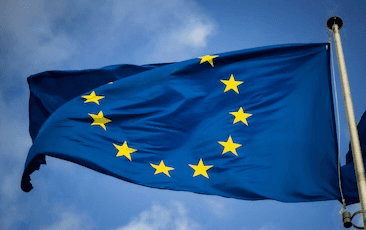
Event

Dec 1, 2025

The Potential of MiCA Regulation for the Crypto Industry in Europe

The implementation of the Markets in Crypto-Assets (MiCA) regulation marks a pivotal moment for the European crypto industry. As the first comprehensive framework governing digital assets across the European Union, MiCA aims to provide regulatory clarity, enhance investor protection, and establish Europe as a leader in the global crypto market. However, while the regulation lays the foundation for a more structured industry, its full impact will only be realized in the coming years as businesses, policymakers, and stakeholders navigate the evolving regulatory landscape.

Opportunities for Industry Collaboration

With MiCA in place, industry participants, including foundations, think tanks, and advocacy groups, have a unique opportunity to collaborate with regulators. By engaging in dialogue with policymakers, crypto industry leaders can help shape the implementation of MiCA, ensuring that the framework remains flexible and conducive to innovation. Establishing industry best practices, regulatory sandboxes, and feedback mechanisms can facilitate a smoother transition into the new regulatory era.

Supporting Compliance and Adoption

One of the key challenges post-MiCA will be ensuring that businesses, particularly startups and small-scale projects, understand and comply with the new regulations. Foundations and industry groups can play a crucial role in providing guidance, educational resources, and compliance support. Workshops, white papers, and advisory services will be essential in helping companies adapt to the new framework without stifling innovation.

Moreover, fostering responsible adoption through pilot programs and partnerships with traditional financial institutions can accelerate mainstream integration of crypto assets while ensuring regulatory compliance.

Encouraging Responsible Innovation

MiCA is designed to regulate without stifling innovation, but emerging sectors like decentralized finance (DeFi) and non-fungible tokens (NFTs) remain largely outside its scope. This presents an opportunity for industry bodies to advocate for proportionate, risk-based approaches to future regulations.

By working alongside regulators, the industry can help establish policies that promote responsible innovation while preventing excessive restrictions that could hinder growth. This includes creating voluntary self-regulatory initiatives that set ethical and security standards for new crypto technologies.

Shaping the Future of Stablecoin and Tokenized Asset Regulations

MiCA introduces specific requirements for stablecoins and asset-referenced tokens, ensuring they are backed by adequate reserves and meet transparency standards. However, as the industry evolves, additional refinements will likely be necessary. Foundations and advocacy groups can contribute by conducting research, gathering data on stablecoin adoption, and engaging with central banks to explore potential collaborations between crypto and traditional finance.

Similarly, as tokenization of real-world assets gains momentum, ensuring that regulatory frameworks support this transition without unnecessary barriers will be a key focus area for industry participants.

Driving Global Regulatory Convergence

The EU’s MiCA framework is likely to influence other jurisdictions seeking to establish crypto regulations. By actively engaging in global discussions, European stakeholders can help drive regulatory convergence and promote international cooperation.

Advocacy groups and crypto organizations can participate in cross-border regulatory discussions, contribute to global policy frameworks, and work towards harmonized standards that facilitate international business operations and cross-border transactions.

Conclusion: Preparing for the Next Phase of Crypto Regulation

While MiCA provides a crucial regulatory foundation, the journey is far from over. As its implementation progresses, new challenges and opportunities will emerge, requiring ongoing engagement from industry participants, regulators, and advocacy groups.

Foundations and think tanks have a unique role to play in shaping the next phase of crypto regulation—ensuring that Europe remains a leader in innovation while fostering responsible adoption. By collaborating with policymakers, supporting compliance efforts, and advocating for balanced regulations, the crypto industry can help define the future of digital assets in Europe and beyond.

Article

Sep 23, 2025

Central Bank Digital Currencies (CBDCs): Complement or Competition to Stablecoins?

Money is changing. For centuries, it has been the exclusive domain of governments and central banks. But in the last decade, private companies have challenged that monopoly by creating stablecoins like Tether (USDT) and USD Coin (USDC). These tokens mimic the stability of dollars and euros while moving across blockchain networks at the speed of the internet. Now, central banks are responding with their own vision: Central Bank Digital Currencies, or CBDCs.

The question is: will CBDCs coexist with stablecoins, or replace them?

What Are CBDCs?

A CBDC is simply the digital version of a national currency, issued directly by a central bank. If the European Central Bank launches a digital euro, or the Federal Reserve one day creates a digital dollar, those tokens would be official legal tender - just as valid as cash or traditional bank deposits.

Unlike cryptocurrencies, CBDCs are centralized. They are backed by the full faith of the issuing government. For citizens, this means holding a CBDC is equivalent to holding money directly at the central bank - something previously reserved for commercial banks and large institutions.

Stablecoins vs. CBDCs

At first glance, stablecoins and CBDCs look similar: both are digital, both can be pegged to traditional currencies, and both can move quickly across networks. But their differences run deep.

Stablecoins like USDT and USDC are issued by private companies. Their value depends on reserves held in banks or government bonds, and their trustworthiness varies depending on transparency. CBDCs, by contrast, would be government-issued money, with no risk of insolvency.

That distinction matters. When you hold USDC, you are trusting Circle and its auditors. When you hold a digital euro, you are trusting the European Central Bank.

The Global Experiment

Several countries are already testing CBDCs. China’s digital yuan is being rolled out in pilot programs across cities, integrated into payment apps like Alipay and WeChat. The Bahamas has launched the Sand Dollar, while Nigeria has introduced the eNaira. In Europe, the digital euro project is under active study, with a possible launch later this decade.

These projects are motivated by different goals. In emerging markets, CBDCs are seen as a tool for financial inclusion. In advanced economies, they are partly a response to the explosive rise of private stablecoins. Central banks want to ensure they remain in control of monetary policy and payments infrastructure.

Complement or Competition?

So, will CBDCs push stablecoins aside? Not necessarily. It is more likely that they will coexist, serving different roles.

CBDCs could become the foundation of official payment systems - trusted, universal, and backed by governments. Stablecoins, on the other hand, may continue to thrive in areas where flexibility and innovation matter: decentralized finance (DeFi), cross-border commerce, and integration with blockchain-native applications.

Think of it this way: a digital euro could be the official “cash” of the internet, while USDC or other stablecoins serve as the “credit cards,” “payment apps,” and “investment vehicles” built on top of it.

The Risks and Trade-offs

CBDCs also raise concerns. If individuals can hold money directly with the central bank, will commercial banks lose deposits, undermining their role in lending? Privacy is another issue - critics fear that CBDCs could allow governments to track transactions in ways that cash never allowed.

Stablecoins, meanwhile, face their own risks of mismanagement, opacity, or uneven regulation. Yet they also represent a thriving ecosystem of innovation, something central banks are not known for.

The Bigger Picture

The debate over CBDCs and stablecoins is not about choosing one over the other. It is about how the two can coexist in a financial system that is becoming increasingly digital. CBDCs may bring trust and universality, while stablecoins drive experimentation and global reach. Together, they could reshape payments and banking in ways we are only beginning to understand.

For Europe, the challenge will be finding the right balance. A digital euro that coexists with private stablecoins could strengthen the continent’s role in the future of money. But if regulation tilts too far against private innovation, Europe risks building a walled garden while others race ahead.


Article

Aug 21, 2025

The Role of Stablecoins in the Future of Payments and Banking

For decades, the way we pay for things has changed slowly but steadily. Cash gave way to cards, cards gave way to online banking, and now we tap our phones at checkout. But a new shift is emerging, one that could transform not just how we pay for coffee or transfer money abroad, but how the global financial system itself is structured. At the center of this shift are stablecoins.

Stablecoins are digital tokens designed to keep a steady value, usually pegged to a currency like the U.S. dollar or the euro. Unlike Bitcoin, whose price can swing wildly, stablecoins are meant to function like digital cash: one token equals one dollar. That stability makes them more than just a trading tool - they could be the building blocks of a new payments infrastructure.

Stablecoins as Everyday Money

Imagine paying for a train ticket in Berlin with a digital token that settles instantly, without bank intermediaries or hidden foreign exchange fees. Or consider sending money from Warsaw to Manila. Today, remittances can take days and cost up to 7% in fees. With stablecoins, the transfer could happen in seconds, at a fraction of the cost.

This isn’t science fiction. In many countries with unstable currencies, stablecoins like Tether (USDT) [link to Blog 1] are already used as everyday money. For families in Turkey or Argentina, holding stablecoins is a way to protect savings from inflation. For migrant workers sending money home, they are a cheaper and faster alternative to traditional remittance channels.

A New Role for Banks

The rise of stablecoins also raises questions about the future of banking. If people can hold digital dollars in a wallet and use them globally, what role do banks play? The likely answer is not disappearance, but adaptation. Banks may end up integrating stablecoins into their own services, offering accounts denominated in tokens or providing custody for them.

Some are already moving in this direction. Major U.S. banks have explored blockchain-based settlement systems, while fintech companies integrate stablecoins to make international payments seamless. The logic is simple: customers want speed and lower costs, and stablecoins can deliver both.

Regulation and Trust

For stablecoins to play a mainstream role in payments, trust will be essential. That trust depends on two things: what backs the stablecoin and how it is regulated.

Tokens like USDC [link to Blog 2] have built their reputation on audited reserves and close alignment with regulators. Others, like Tether, dominate in usage but continue to face questions about transparency. The European Union’s MiCA regulation and similar laws around the world are designed to set minimum standards for reserve quality, disclosures, and redemption rights.

In effect, regulation is trying to ensure that stablecoins don’t just look like money, but behave like it.

Competition from Central Banks

There is also a bigger player on the horizon: central banks. Projects like the Digital Euro or China’s digital yuan aim to offer state-backed digital currencies that could compete directly with private stablecoins. The question is whether consumers and businesses will prefer the flexibility of private tokens like USDC, or the security of central bank money. It may not be an either/or scenario - both could coexist, each serving different needs.

Why Stablecoins Matter

Stablecoins are more than a clever financial product. They represent a fundamental rethink of how money can move in a digital world. By combining the efficiency of blockchain with the stability of traditional currencies, they offer a path to faster, cheaper, and more inclusive finance.

For banks, this could mean a future where digital tokens sit alongside traditional deposits. For regulators, it’s a challenge to design frameworks that encourage innovation without risking financial stability. And for ordinary people, it could mean simpler, more affordable ways to save, spend, and send money across the globe.

The Bigger Picture

The role of stablecoins in payments and banking is still being written, but their momentum is undeniable. They have already become indispensable in crypto markets. Now, they are starting to influence remittances, commerce, and even monetary policy debates.

Whether they ultimately remain a niche tool or evolve into a mainstream payment system will depend on how technology, regulation, and adoption converge. But one thing is clear: the future of money is unlikely to look like the past - and stablecoins are at the heart of that transformation.

Article

Jul 24, 2025

MiCA Explained: What the EU’s Landmark Crypto Regulation Means for Issuers and Investors

For more than a decade, the world of cryptocurrency has grown in a legal grey zone. Some countries embraced it, others restricted it, and many simply didn’t know what to do with it. In Europe, that patchwork approach is about to change. The European Union has introduced a single, comprehensive framework for digital assets: the Markets in Crypto-Assets Regulation, better known as MiCA.

Hailed as the first large-scale attempt to regulate crypto across an entire continent, MiCA promises to bring clarity to issuers, exchanges, and investors. But it also raises new questions about how innovation can coexist with oversight. These are questions that DADF takes very seriously and is directly involved in their exploration.

Why MiCA Matters

Until now, each EU country set its own rules. France required licensing for crypto firms, Germany treated certain tokens like securities, while smaller states like Malta tried to attract business with lighter regimes. For companies, this was a maze of bureaucracy. For investors, it meant uncertainty about rights and protections.

MiCA changes this by creating one rulebook for all 27 EU countries. If a crypto company gets licensed in Paris or Warsaw, it can operate across the entire European Union. For an industry that thrives on cross-border activity, this is no small achievement.

What MiCA Covers

At its core, MiCA focuses on three areas:

  • Stablecoins: Tokens pegged to assets like the dollar or euro will face strict requirements. Issuers must hold full reserves, publish regular disclosures, and in some cases limit their market size to protect financial stability. For Tether and USDC, this means new obligations if they want to serve the European market.

  • Crypto Asset Service Providers (CASPs): Exchanges, wallet providers, and platforms offering trading will need to register, meet capital requirements, and comply with anti-money laundering (AML) standards. This is similar to the way banks or investment firms are regulated.

  • Investor Protection: MiCA introduces transparency rules - whitepapers explaining risks must be published for new token offerings, and firms will be liable if they mislead investors.

Notably, MiCA does not cover everything. NFTs (non-fungible tokens) and truly decentralized protocols remain in a regulatory grey area for now. Future amendments may expand the scope.

What It Means for Issuers

For token issuers, MiCA is both a hurdle and an opportunity. On one hand, compliance is not cheap. Publishing audited reserves, maintaining capital buffers, and securing licenses will require resources that smaller projects may struggle to find. On the other hand, regulatory clarity can be a blessing. Companies that meet MiCA standards will enjoy a passport across the EU and a stamp of legitimacy when courting investors.

Take stablecoins as an example. Under MiCA, issuers must guarantee that every token is fully backed by reserves and redeemable on demand. This could disadvantage smaller players but strengthen trust in the market overall. For firms like Circle, which already emphasize transparency with USDC, MiCA could reinforce their competitive edge.

What It Means for Investors

For everyday investors, MiCA offers something the crypto world has long lacked: clear protections. Fraudulent token sales, misleading marketing, and fly-by-night exchanges have been persistent problems. Under MiCA, issuers are accountable for what they publish, and service providers must meet standards similar to financial institutions.

In practice, this means more security, though not a guarantee against losses. Buying crypto will still carry risks, but investors will have more rights and recourse if things go wrong.

Europe’s Bet on Digital Assets

Beyond the technical details, MiCA is Europe’s way of making a bet: that crypto and digital assets are here to stay. By regulating them instead of banning them, the EU is signaling that it wants to be a hub for innovation—on its own terms.

But there’s a balancing act at play. Too much regulation, such as excessive supervisory fees or caps on stablecoin growth, could drive companies out of Europe. Too little, and the EU risks exposing investors and the financial system to harm. Whether MiCA strikes the right balance will depend on how it is enforced in the coming years.

The Bigger Picture

MiCA is more than just another regulation. It’s the first real attempt by a major economic bloc to write the rules of the digital asset era. For issuers, it sets the conditions for survival and growth in Europe. For investors, it offers protection and transparency. For regulators worldwide, it serves as a blueprint that may influence how other jurisdictions - from the U.S. to Asia - approach the sector.

In many ways, MiCA is Europe’s declaration that the future of finance must be both innovative and accountable. Whether this model becomes a success story or a cautionary tale will shape not just the continent’s crypto industry, but the global conversation about how digital money should be governed.

Article

Jun 19, 2025

What Are Real World Assets (RWAs) and Why They’re the Next Big Trend in Web3

For most people, the term “crypto” still brings to mind speculative tokens, meme coins, or volatile markets where fortunes are made and lost overnight. But beneath the hype, a quieter revolution is unfolding - one that has little to do with cartoon dog logos and everything to do with the foundations of the global economy. That revolution is called tokenization of Real World Assets, or RWAs.

From Digital Coins to Real Assets

The first wave of blockchain was about creating entirely new forms of digital money. Bitcoin proved that a decentralized currency could exist without banks, while Ethereum introduced programmable contracts that expanded what digital assets could do. But the next wave is not about inventing money from scratch - it’s about bringing real-world value onto the blockchain.

Real World Assets are exactly what they sound like: tangible or traditional financial assets such as real estate, government bonds, commodities, or even art, that are represented as tokens on a blockchain. Instead of buying an apartment in Warsaw by transferring paperwork through notaries and banks, imagine buying a share of that property with a few clicks, represented as a digital token you can trade globally.

This is the promise of RWAs: making assets that were once illiquid, local, and hard to access into something portable, divisible, and tradable around the world.

Why RWAs Are Taking Off

Several factors explain why RWAs have become the hottest trend in Web3.

First, technology has matured. Blockchain infrastructure is now capable of handling secure, large-scale transactions. The rise of stablecoins like USDT and USDC proved that digital tokens can track real-world value reliably.

Second, regulation is catching up. Laws like the European Union’s MiCA regulation are creating frameworks for tokenized assets to be issued, traded, and supervised legally. For institutions that once hesitated, regulatory clarity is the green light they’ve been waiting for.

Third, demand is real. Investors are looking for yield in a low-interest environment, and RWAs open the door to opportunities that were previously available only to a select few. Tokenized U.S. Treasury bills, for example, are already attracting billions in deposits from crypto investors who want safe, dollar-linked returns.

What Can Be Tokenized?

The scope of RWAs is vast: 

  • Real Estate: Tokenizing buildings or land to let multiple investors own fractional shares.

  • Government Bonds: Offering secure, yield-generating instruments in token form.

  • Private Credit: Allowing businesses to raise capital by issuing debt directly on-chain.

  • Commodities and Art: Turning gold, oil, or even paintings into tradable tokens.

Some of these experiments are already live. Platforms like Maple Finance and Centrifuge issue tokenized loans to businesses. Startups are selling shares of real estate in digital form. Even global asset managers like BlackRock are exploring tokenization as the “next generation” of investing.

The Benefits and the Risks

The advantages of RWAs are clear. By removing intermediaries, tokenization makes investing faster, cheaper, and more transparent. It allows people to buy fractional ownership in assets they could never afford in full, whether that’s a commercial building or a government bond. And because these tokens live on a blockchain, they can move across borders seamlessly, creating truly global markets.

But there are risks too. Legal systems are not yet fully aligned on how tokenized ownership is recognized. If you buy a token representing part of a house, does that token give you enforceable legal rights in court? There are also concerns about liquidity: just because something is tokenized doesn’t mean buyers will exist when you want to sell. And as with all of crypto, trust in issuers and custodians remains critical.

Why RWAs Matter for the Future

Despite the challenges, the momentum is undeniable. Tokenized assets are already a multi-billion-dollar market, and analysts predict they could grow into the trillions over the next decade. Even central banks and traditional financial giants are paying attention, seeing tokenization as a way to modernize markets that have changed little in decades.

For the digital asset industry, RWAs are a chance to prove real utility beyond speculation. For policymakers, they represent both an opportunity to increase efficiency and a challenge to update legal frameworks. And for ordinary investors, they may open doors to asset classes that were once reserved for the wealthy few.

In many ways, RWAs are the natural next step in the evolution of crypto. If Bitcoin was about decentralizing money and Ethereum about decentralizing applications, then RWAs are about decentralizing value itself. They tie the digital economy back to the physical world, ensuring that blockchain is not just a playground for traders but a backbone for global finance.

The Bottom Line

Real World Assets are more than just a buzzword. They’re a signal that Web3 is maturing - moving from speculation to infrastructure, from hype to utility. As tokenization reshapes how we invest, borrow, and store value, it has the potential to change not just crypto, but finance as a whole.

The future of digital assets may not rest on the next meme coin, but on the centuries-old pillars of wealth - property, credit, and commodities - reborn on the blockchain.

Article

May 22, 2025

What is USD Coin (USDC) and How Is It Different from USDT?

Stablecoins are one of the most important bridges between traditional finance and the fast-moving world of digital assets. As we have explained in [Blog 1] While Tether (USDT) often dominates the headlines as the most widely traded, another stablecoin has carved out a reputation as the more transparent and regulator-friendly option: USD Coin, or USDC.

At first glance, USDC looks almost identical to Tether. One USDC equals one U.S. dollar, and both tokens serve as stable digital cash that can move across blockchain networks in seconds. But behind this surface similarity lies a very different story about trust, transparency, and the future of money.

The Origins of USDC

USDC was launched in 2018 by Circle, a U.S.-based fintech company, in partnership with Coinbase. From the beginning, its goal was not just to create another stablecoin but to design one that could integrate smoothly into the regulated financial system. Circle marketed USDC as the “trustworthy digital dollar,” offering the benefits of crypto - speed, global reach, low cost - without the opacity that had dogged Tether for years.

This design philosophy quickly made USDC popular with businesses, payment processors, and financial institutions. While traders still relied on Tether for sheer liquidity, companies that needed predictability and compliance began adopting USDC.

What Backs USDC?

The strength of USDC lies in its reserves. For every token issued, Circle holds an equivalent value in U.S. dollars or short-term U.S. Treasury bonds. Unlike Tether, Circle provides monthly attestations from independent auditors confirming that the reserves match the supply of coins in circulation.

In practice, this means that if you hold 1,000 USDC, there should be $1,000 sitting in Circle’s reserves, ready to back that claim. Because most of the reserves are held in Treasuries and cash, they can be quickly liquidated if needed, making redemptions straightforward.

This transparency is what differentiates USDC most clearly from USDT. For years, Tether faced skepticism over whether its reserves were real and fully accessible. USDC, in contrast, built its brand on openness, regularly publishing reports and working closely with regulators. For businesses deciding which stablecoin to trust, that difference is significant.

USDC in the Real World

Beyond trading, USDC has found practical use in areas where reliability matters. Online retailers using Shopify can accept payments in USDC, allowing them to serve global customers without dealing with bank transfer delays. Fintech platforms integrate USDC to let users hold dollar value securely in digital wallets, particularly in regions where banking access is limited. Even charitable organizations have experimented with accepting donations in USDC, valuing its combination of speed and stability.

This real-world adoption highlights USDC’s position as more than just a tool for speculators. It functions increasingly as a digital payment infrastructure, closer in spirit to PayPal or Stripe than to a purely speculative crypto token.

Comparing USDC and USDT

The two dominant stablecoins illustrate a striking contrast in approach. Tether is the workhorse: massive, liquid, and used by traders worldwide, but with lingering questions about oversight. USDC is the polished counterpart: smaller in scale but built for long-term trust, compliance, and integration into mainstream finance.

This difference also influences their reputations. Regulators tend to view USDT with suspicion, while USDC is often cited as an example of how private stablecoins can align with public financial rules. As the European Union moves forward with MiCA, and as the United States debates its own stablecoin legislation, Circle is positioning USDC to be the stablecoin that passes the regulatory test.

Why It Matters

Stablecoins are no longer just a niche tool for traders. They are increasingly part of the plumbing of global finance. For millions of people, they offer access to digital dollars without needing a U.S. bank account. For companies, they are a way to build faster, cheaper financial services.

In that landscape, the differences between Tether and USDC are more than technical details - they reflect two competing visions of how money itself should evolve. Tether represents the bold, first-mover approach: global, efficient, but sometimes opaque. USDC represents a more cautious, compliant future: digital money that regulators and institutions might eventually accept as part of the mainstream system.

Whether USDC grows to rival Tether in scale remains to be seen. But what is clear is that it has already established itself as the stablecoin for those who care not just about speed and convenience, but also about accountability and trust.

Article

Apr 24, 2025

What is Tether (USDT) and Why It Matters in Global Finance

When people think of cryptocurrency, they usually think of Bitcoin, Ethereum or other altcoins. Yet the most widely used digital asset in the world today is not a volatile coin chasing headlines, but something far more understated: Tether, also known as USDT. It belongs to a category of digital currencies called stablecoins - tokens designed to keep a steady value, most often linked to traditional money like the US dollar.

The idea is simple. While Bitcoin can rise or fall by ten percent in a single day, Tether aims to always be worth one US dollar (1:1). For anyone trading or using crypto, this stability provides a sense of relief. Imagine you’re moving money between exchanges or paying someone abroad. If you rely on Bitcoin, you may lose - or gain - significant value in just a few hours. With Tether, that risk is minimized. One USDT is meant to equal one dollar, no matter what the market does.

What Actually Backs Tether?

Tether’s promise of stability rests on a simple claim: every USDT in circulation is backed by assets of equal value held in reserve. In practice, this means that if there are 100 billion USDT tokens circulating in the world, Tether Limited Inc. should have about 100 billion dollars’ worth of assets to cover them. The crucial question is what kind of assets those are.

For many years, Tether stated that its reserves were held in cash or cash equivalents. But under regulatory pressure, the company began releasing more detailed breakdowns. Today, Tether reports that the majority of its reserves are invested in U.S. Treasury bills - short-term government debt widely considered one of the safest assets in the world. Alongside Treasuries, Tether also holds bank deposits, reverse repo agreements, precious metals, and even a small portion of Bitcoin.

This matters because not all reserve assets are created equal. A dollar bill in a bank account is instantly redeemable; a three-month U.S. Treasury bill is also extremely safe but takes a little longer to liquidate. By contrast, riskier assets like commercial paper - short-term corporate debt once used in Tether’s reserves - caused alarm among regulators and investors because their value could swing during financial stress. In 2021, for instance, the New York Attorney General investigated Tether for misrepresenting its backing and found gaps between the tokens issued and the cash actually on hand. Since then, Tether has shifted heavily toward Treasuries to reassure the market.

Why does this distinction matter in practice? Imagine if millions of USDT holders suddenly wanted to redeem their tokens for real dollars at the same time. If Tether’s reserves are mostly U.S. Treasuries and cash, the company could probably meet those redemptions without too much disruption. But if a significant portion were tied up in riskier or less liquid investments, the redemption process might slow down or create panic - similar to what happens in a bank run.

The credibility of Tether’s reserves also affects the broader financial system. With more than 100 billion USDT in circulation, Tether is now one of the largest holders of U.S. Treasury bills globally, rivaling the foreign reserves of some nation-states. In fact, by mid-2024, analysts estimated that Tether alone held more U.S. debt than countries such as Australia or the United Arab Emirates. This makes Tether not only a player in crypto markets, but also an unexpected actor in global finance.

Yet despite these assurances, skeptics remain vocal. Critics argue that Tether’s disclosures, while more detailed than before, still fall short of the kind of independent, fully audited reports one would expect from a system this large. For regulators, the question is not just whether the reserves exist, but also whether they are managed in a way that avoids risks to the broader economy.

Why Tether Matters

For traders, Tether is indispensable. It allows quick, low-cost transfers between exchanges without relying on traditional banks. For ordinary people in countries like Argentina, Turkey, or Nigeria - where inflation erodes savings and local currencies lose value - USDT functions as a lifeline, offering a dollar alternative without opening a U.S. bank account.

But its importance goes beyond individuals and traders. With its massive holdings of U.S. government debt, Tether has become an influential actor in global finance. Regulators in Washington, Brussels, and beyond now see stablecoins not only as digital tools for trading, but as potential sources of systemic risk. The debate over Tether’s role - innovation or threat, opportunity or loophole - captures the tension at the heart of digital finance. We will probably delve into some of these topics in later posts.

The Bigger Picture

Whether admired as an innovation or scrutinized as a risk, Tether has become impossible to ignore. It is, in many ways, the first global digital dollar - not issued by a government, but by a company. Its success has inspired competitors like USD Coin, raised alarms among regulators, and sparked discussions on how the future of money should be governed.

For better or worse, Tether has shown the world that money no longer has to come from a central bank to be trusted and used at scale. That reality is reshaping not only crypto markets, but also the very structure of global finance.


Knowledge

Mar 17, 2025

Handshake

Best Practices

The financial landscape is witnessing a historic convergence between traditional finance (TradFi) and decentralized finance (DeFi), a trend that is poised to redefine the future of global markets. As institutional interest in cryptocurrencies, particularly Bitcoin, continues to grow, this convergence is not only inevitable but beneficial for both realms. At Binance, we believe this integration will create a virtuous cycle, driving innovation, accessibility, and stability across financial markets.

Nearly all institutions (94%) believe in the long-term value of digital assets and/or blockchain technology, with 50% of respondents expressing interest in investing in tokenized assets, and 42% having increased their allocations to digital assets in 2024. This shift underscores the growing confidence in digital assets as a viable and valuable component of institutional portfolios.

Institutional Interest: A Catalyst for Convergence

Historically, the cryptocurrency space has been dominated by retail investors. However, recent developments, including regulatory approvals for Bitcoin ETFs, have sparked significant interest from institutional investors. This is a transformative shift as it demonstrates that support for crypto has grown into the institutional space. Institutional capital brings not only substantial financial inflows but also the credibility and infrastructure required for broader market acceptance. For instance, the introduction of Bitcoin ETFs in the US has unlocked new investment opportunities, legitimizing cryptocurrencies as an asset class and catalyzing further institutional participation.

Building the Future Together

Bitcoin is the first “ground-up” asset class built by the community for the community, which is why we see such strong grassroots enthusiasm each time the crypto industry makes significant strides, such as the DeFi Summer of 2020, NFTs over the last few years, the introduction of Bitcoin Ordinals, and most recently the approval of spot ETFs around the world. The synergy between TradFi and DeFi is evident. On one hand, the energy, innovation, and customer-centric approach of the crypto industry continue to drive significant advancements. On the other, traditional financial institutions bring decades of experience, regulatory knowledge, and robust infrastructure to the table. This mutual exchange is fostering a new financial ecosystem where the boundaries between DeFi and TradFi are increasingly blurred.

A recent example of this is the strategic investment by National Australia Bank (NAB) venture arm in Zodia Custody, a global digital asset custodian backed by banks. Such collaborations signify a turning point where institutions and infrastructure providers are jointly building the mainstream future of digital assets. This partnership highlights how institutional and decentralized finance can work together to enhance the reliability and security of crypto investments.

The Virtuous Cycle

Crypto needs more infrastructure development to be more accessible, in order to really gain widespread mass adoption. So we are seeing how crypto continues to build upwards momentum to reach institutions, while TradFi is building out institutional-grade crypto infrastructure to serve enterprise and retail customers. Institutional interest drives the development of better infrastructure, which in turn makes crypto more accessible and attractive to a broader audience. As the crypto market matures, it offers more sophisticated and secure options for investment, further attracting traditional finance players. This bilateral exchange between DeFi and TradFi will become a virtuous cycle, until there is no difference between the two for users.

The Road Ahead

With the energy, innovation, and relentless focus on the customer that the crypto industry embodies - and that has seen it grow from zero penetration to 10% in 2019, and now 15% of the EU population in 2025, showing a remarkable 50% increase in the last 6 years - there is much for the traditional finance sector to gain from embracing its digital asset counterpart. And equally, with the deep experience, heft, and clout of the traditional finance sector, the benefits flow both ways. This is why both industries are seeing talent move in both directions as crypto matures, traditional finance evolves, and both start to converge.

For the convergence of DeFi and TradFi to reach its full potential, ongoing collaboration and mutual understanding are essential. Regulatory clarity is playing a crucial role in facilitating this integration - with comprehensive regulatory frameworks like MiCA - ensuring that both retail and institutional investors alike, as well as crypto industry players can participate in the market with confidence. At Binance, we are committed to driving this convergence by developing innovative products, fostering partnerships, and advocating for sensible regulation. The integration of DeFi and TradFi can not only enhance the stability and accessibility of crypto markets, but also democratize access to investment opportunities. As we move forward, the continued collaboration between these two worlds can help to create a more inclusive and robust financial ecosystem, benefiting all participants.

Article

Mar 5, 2025

EU Flag

MiCA and the Future of Crypto Regulation in Europe

The implementation of the Markets in Crypto-Assets (MiCA) regulation marks a pivotal moment for the European crypto industry. As the first comprehensive framework governing digital assets across the European Union, MiCA aims to provide regulatory clarity, enhance investor protection, and establish Europe as a leader in the global crypto market. However, while the regulation lays the foundation for a more structured industry, its full impact will only be realized in the coming years as businesses, policymakers, and stakeholders navigate the evolving regulatory landscape.

Opportunities for Industry Collaboration

With MiCA in place, industry participants, including foundations, think tanks, and advocacy groups, have a unique opportunity to collaborate with regulators. By engaging in dialogue with policymakers, crypto industry leaders can help shape the implementation of MiCA, ensuring that the framework remains flexible and conducive to innovation. Establishing industry best practices, regulatory sandboxes, and feedback mechanisms can facilitate a smoother transition into the new regulatory era.

Supporting Compliance and Adoption

One of the key challenges post-MiCA will be ensuring that businesses, particularly startups and small-scale projects, understand and comply with the new regulations. Foundations and industry groups can play a crucial role in providing guidance, educational resources, and compliance support. Workshops, white papers, and advisory services will be essential in helping companies adapt to the new framework without stifling innovation.

Moreover, fostering responsible adoption through pilot programs and partnerships with traditional financial institutions can accelerate mainstream integration of crypto assets while ensuring regulatory compliance.

Encouraging Responsible Innovation

MiCA is designed to regulate without stifling innovation, but emerging sectors like decentralized finance (DeFi) and non-fungible tokens (NFTs) remain largely outside its scope. This presents an opportunity for industry bodies to advocate for proportionate, risk-based approaches to future regulations.

By working alongside regulators, the industry can help establish policies that promote responsible innovation while preventing excessive restrictions that could hinder growth. This includes creating voluntary self-regulatory initiatives that set ethical and security standards for new crypto technologies.

Shaping the Future of Stablecoin and Tokenized Asset Regulations

MiCA introduces specific requirements for stablecoins and asset-referenced tokens, ensuring they are backed by adequate reserves and meet transparency standards. However, as the industry evolves, additional refinements will likely be necessary. Foundations and advocacy groups can contribute by conducting research, gathering data on stablecoin adoption, and engaging with central banks to explore potential collaborations between crypto and traditional finance.

Similarly, as tokenization of real-world assets gains momentum, ensuring that regulatory frameworks support this transition without unnecessary barriers will be a key focus area for industry participants.

Driving Global Regulatory Convergence

The EU’s MiCA framework is likely to influence other jurisdictions seeking to establish crypto regulations. By actively engaging in global discussions, European stakeholders can help drive regulatory convergence and promote international cooperation.

Advocacy groups and crypto organizations can participate in cross-border regulatory discussions, contribute to global policy frameworks, and work towards harmonized standards that facilitate international business operations and cross-border transactions.

Conclusion: Preparing for the Next Phase of Crypto Regulation

While MiCA provides a crucial regulatory foundation, the journey is far from over. As its implementation progresses, new challenges and opportunities will emerge, requiring ongoing engagement from industry participants, regulators, and advocacy groups.

Foundations and think tanks have a unique role to play in shaping the next phase of crypto regulation—ensuring that Europe remains a leader in innovation while fostering responsible adoption. By collaborating with policymakers, supporting compliance efforts, and advocating for balanced regulations, the crypto industry can help define the future of digital assets in Europe and beyond.

Event

Feb 20, 2025

What regulations are needed in the crypto industry?

The European Union is taking a bold step forward in regulating the cryptocurrency industry with the introduction of the Markets in Crypto-Assets (MiCA) regulation. As one of the most comprehensive regulatory frameworks for digital assets globally, MiCA presents a significant opportunity for businesses, investors, and consumers across Europe. Rather than stifling innovation, MiCA has the potential to provide much-needed clarity, security, and legitimacy to the crypto space, fostering sustainable growth and mainstream adoption.

Regulatory Clarity and Legal Certainty

One of the most notable advantages of MiCA is the regulatory clarity it brings to the European crypto market. Previously, the lack of unified regulations created a fragmented landscape where businesses struggled to navigate different national laws. MiCA establishes a single, comprehensive framework across all EU member states, reducing regulatory ambiguity and making compliance more straightforward for businesses operating in multiple jurisdictions.

For crypto firms, this means clear rules on licensing, anti-money laundering (AML) compliance, and investor protection. Instead of dealing with a patchwork of national regulations, companies can operate under a unified system, reducing legal risks and compliance costs.

Increased Investor Confidence and Protection

With regulatory clarity comes enhanced investor confidence. MiCA introduces investor protection measures that make the crypto industry more secure and trustworthy. By implementing transparency requirements for crypto-asset service providers (CASPs), including disclosure obligations and reserve requirements for stablecoin issuers, the regulation reduces the risk of fraud and insolvency.

Retail investors will benefit from improved consumer protections, ensuring that crypto businesses operate with a high level of accountability. This, in turn, is expected to attract more institutional investors who previously hesitated to enter the space due to the absence of a well-defined regulatory environment.

A Competitive Edge for European Crypto Businesses

By establishing a clear regulatory framework, MiCA positions Europe as a leader in crypto regulation. Compared to other jurisdictions that are still grappling with unclear or inconsistent regulations, the EU’s proactive approach provides businesses with a stable and predictable environment to innovate and expand.

For startups and enterprises looking to launch or scale crypto-related businesses, Europe is set to become an attractive destination. The streamlined licensing process will encourage new entrants to the market, driving healthy competition and fostering innovation within the ecosystem.

Stablecoin Regulation: A Path to Greater Adoption

Stablecoins play a crucial role in bridging the gap between traditional finance and crypto. MiCA introduces a robust framework for stablecoins, ensuring they are backed by adequate reserves and meet operational transparency requirements. This reduces the risk of collapses similar to previous algorithmic stablecoin failures and enhances trust in digital payments.

With increased regulatory oversight, stablecoins could see greater adoption for payments and cross-border transactions, benefiting both consumers and businesses seeking efficient and low-cost financial solutions.

Fostering Innovation Through Responsible Regulation

While some fear that regulation might hinder innovation, MiCA is designed to strike a balance between security and technological advancement. The framework does not impose overly restrictive measures on emerging sectors like decentralized finance (DeFi) and non-fungible tokens (NFTs), instead focusing on ensuring responsible growth.

By setting up clear guidelines without stifling creativity, MiCA encourages responsible innovation. Regulatory compliance will no longer be a barrier but rather an enabler of sustainable business models that can thrive in a compliant and secure environment.

Global Implications: Setting the Standard for Crypto Regulation

The EU’s MiCA framework is expected to set a precedent for other regions worldwide. Countries looking to establish their own crypto regulations may take inspiration from MiCA’s approach, leading to more harmonized global standards. This could facilitate international cooperation, making cross-border transactions and regulatory compliance smoother for businesses operating on a global scale.

Conclusion: A Bright Future for Crypto in Europe

The MiCA regulation marks a new era for the European crypto industry, offering much-needed clarity, security, and legitimacy. By reducing regulatory fragmentation, enhancing investor protection, and fostering a competitive market, MiCA provides a strong foundation for innovation and mainstream adoption.

Rather than being seen as a hurdle, MiCA should be embraced as an opportunity for the crypto industry to mature and gain the trust of consumers and institutions alike. As the framework rolls out, Europe has the potential to become a global leader in responsible crypto innovation, setting an example for the rest of the world.


Our mission is to engage directly with regulators globally, ensuring the voice of the market shapes the laws of tomorrow.

Our mission

Shaping the Future of Crypto Regulation Together

DADF's mission is to foster a transparent, compliant, and innovative crypto ecosystem by actively participating in regulatory dialogues, advocating for policies that support growth and security in the digital asset space.

The Need for Standards

DADF's mission is to foster a transparent, compliant, and innovative crypto ecosystem by actively participating in regulatory dialogues, advocating for policies that support growth and security in the digital asset space.

Education and Community

Your voice matters, whether you're a project, an investor, or an enthusiast, your voice matters. DADF welcomes partnerships, ideas, and participation from all corners of the crypto industry. Together, we can educate and influence the regulatory bodies to reflect the needs of digital space.

Cooperation with regulators

Together with crypto industry leading companies, DADF stands as a testament to the industry's commitment to self-regulation and constructive engagement. We believe that through collective action, we can forge a regulatory environment that protects investors while promoting technological advancement.

The Need for Standards

DADF's mission is to foster a transparent, compliant, and innovative crypto ecosystem by actively participating in regulatory dialogues, advocating for policies that support growth and security in the digital asset space.

Education and Community

Your voice matters, whether you're a project, an investor, or an enthusiast, your voice matters. DADF welcomes partnerships, ideas, and participation from all corners of the crypto industry. Together, we can educate and influence the regulatory bodies to reflect the needs of digital space.

Cooperation with regulators

Together with crypto industry leading companies, DADF stands as a testament to the industry's commitment to self-regulation and constructive engagement. We believe that through collective action, we can forge a regulatory environment that protects investors while promoting technological advancement.

The Need for Standards

DADF's mission is to foster a transparent, compliant, and innovative crypto ecosystem by actively participating in regulatory dialogues, advocating for policies that support growth and security in the digital asset space.

Education and Community

Your voice matters, whether you're a project, an investor, or an enthusiast, your voice matters. DADF welcomes partnerships, ideas, and participation from all corners of the crypto industry. Together, we can educate and influence the regulatory bodies to reflect the needs of digital space.

Cooperation with regulators

Together with crypto industry leading companies, DADF stands as a testament to the industry's commitment to self-regulation and constructive engagement. We believe that through collective action, we can forge a regulatory environment that protects investors while promoting technological advancement.

The Need for Standards

DADF's mission is to foster a transparent, compliant, and innovative crypto ecosystem by actively participating in regulatory dialogues, advocating for policies that support growth and security in the digital asset space.

Education and Community

Your voice matters, whether you're a project, an investor, or an enthusiast, your voice matters. DADF welcomes partnerships, ideas, and participation from all corners of the crypto industry. Together, we can educate and influence the regulatory bodies to reflect the needs of digital space.

Cooperation with regulators

Together with crypto industry leading companies, DADF stands as a testament to the industry's commitment to self-regulation and constructive engagement. We believe that through collective action, we can forge a regulatory environment that protects investors while promoting technological advancement.

Our goals

Education and awareness

Education and awareness about blockchain, NFT, tokenization and digital currencies Professionals and the general public.

Confidence

Protection

Preventing

Reporting

Stability

Consistency

Market Integrit

and Stability

Without standards, the digital assets

market can be prone to manipulation,

scams and sudden collapses, as evidenced

by past high-profile cases.


Regulations help maintain market integrity

by setting rules for trading practices,

market surveillance, and capital requirements

for businesses operating in this space,

fostering a more stable environment.

Confidence

Protection

Preventing

Reporting

Stability

Consistency

Market Integrit

and Stability

Without standards, the digital assets

market can be prone to manipulation,

scams and sudden collapses, as evidenced

by past high-profile cases.


Regulations help maintain market integrity

by setting rules for trading practices,

market surveillance, and capital requirements

for businesses operating in this space,

fostering a more stable environment.

Confidence

Protection

Preventing

Reporting

Stability

Consistency

Market Integrit

and Stability

Without standards, the digital assets

market can be prone to manipulation,

scams and sudden collapses, as evidenced

by past high-profile cases.


Regulations help maintain market integrity

by setting rules for trading practices,

market surveillance, and capital requirements

for businesses operating in this space,

fostering a more stable environment.

Partners

Foundation Board Members

Lukasz Pierwienis

Binance Poland
‍Country Manager

Binance Poland
‍Country Manager

Pawel Laskarzewski

Nomad Fulcrum
‍Chief Executive Officer

Nomad Fulcrum
‍Chief Executive Officer

Our Key Partners

Brendon Zegarlicki

Interchainly
Head Of Business Development

FAQ

Questions & Answers

Why are regulations important in finance?

Regulations in finance are important because they protect investors, maintain market stability, prevent fraud, and ensure fair and transparent practices, fostering trust and efficiency in the financial system.

Why are regulations important in finance?

Regulations in finance are important because they protect investors, maintain market stability, prevent fraud, and ensure fair and transparent practices, fostering trust and efficiency in the financial system.

Why are regulations important in finance?

Regulations in finance are important because they protect investors, maintain market stability, prevent fraud, and ensure fair and transparent practices, fostering trust and efficiency in the financial system.

Why regulations will benefit the crypto industry?

Regulations in finance are important because they protect investors, maintain market stability, prevent fraud, and ensure fair and transparent practices, fostering trust and efficiency in the financial system.

Why regulations will benefit the crypto industry?

Regulations in finance are important because they protect investors, maintain market stability, prevent fraud, and ensure fair and transparent practices, fostering trust and efficiency in the financial system.

Why regulations will benefit the crypto industry?

Regulations in finance are important because they protect investors, maintain market stability, prevent fraud, and ensure fair and transparent practices, fostering trust and efficiency in the financial system.

Why we advocate regulations?

Regulations in finance are important because they protect investors, maintain market stability, prevent fraud, and ensure fair and transparent practices, fostering trust and efficiency in the financial system.

Why we advocate regulations?

Regulations in finance are important because they protect investors, maintain market stability, prevent fraud, and ensure fair and transparent practices, fostering trust and efficiency in the financial system.

Why we advocate regulations?

Regulations in finance are important because they protect investors, maintain market stability, prevent fraud, and ensure fair and transparent practices, fostering trust and efficiency in the financial system.

What are digital assets?

Regulations in finance are important because they protect investors, maintain market stability, prevent fraud, and ensure fair and transparent practices, fostering trust and efficiency in the financial system.

What are digital assets?

Regulations in finance are important because they protect investors, maintain market stability, prevent fraud, and ensure fair and transparent practices, fostering trust and efficiency in the financial system.

What are digital assets?

Regulations in finance are important because they protect investors, maintain market stability, prevent fraud, and ensure fair and transparent practices, fostering trust and efficiency in the financial system.

How does the DADF support innovation?

Regulations in finance are important because they protect investors, maintain market stability, prevent fraud, and ensure fair and transparent practices, fostering trust and efficiency in the financial system.

How does the DADF support innovation?

Regulations in finance are important because they protect investors, maintain market stability, prevent fraud, and ensure fair and transparent practices, fostering trust and efficiency in the financial system.

How does the DADF support innovation?

Regulations in finance are important because they protect investors, maintain market stability, prevent fraud, and ensure fair and transparent practices, fostering trust and efficiency in the financial system.

Why regulations will benefit the crypto industry?

Regulations in finance are important because they protect investors, maintain market stability, prevent fraud, and ensure fair and transparent practices, fostering trust and efficiency in the financial system.

Why regulations will benefit the crypto industry?

Regulations in finance are important because they protect investors, maintain market stability, prevent fraud, and ensure fair and transparent practices, fostering trust and efficiency in the financial system.

Why regulations will benefit the crypto industry?

Regulations in finance are important because they protect investors, maintain market stability, prevent fraud, and ensure fair and transparent practices, fostering trust and efficiency in the financial system.

How does the Foundation collaborate with regulators?

Regulations in finance are important because they protect investors, maintain market stability, prevent fraud, and ensure fair and transparent practices, fostering trust and efficiency in the financial system.

How does the Foundation collaborate with regulators?

Regulations in finance are important because they protect investors, maintain market stability, prevent fraud, and ensure fair and transparent practices, fostering trust and efficiency in the financial system.

How does the Foundation collaborate with regulators?

Regulations in finance are important because they protect investors, maintain market stability, prevent fraud, and ensure fair and transparent practices, fostering trust and efficiency in the financial system.

Who can join the Digital Assets Foundation community?

Regulations in finance are important because they protect investors, maintain market stability, prevent fraud, and ensure fair and transparent practices, fostering trust and efficiency in the financial system.

Who can join the Digital Assets Foundation community?

Regulations in finance are important because they protect investors, maintain market stability, prevent fraud, and ensure fair and transparent practices, fostering trust and efficiency in the financial system.

Who can join the Digital Assets Foundation community?

Regulations in finance are important because they protect investors, maintain market stability, prevent fraud, and ensure fair and transparent practices, fostering trust and efficiency in the financial system.

How can I stay updated on the Foundation's activities?

Regulations in finance are important because they protect investors, maintain market stability, prevent fraud, and ensure fair and transparent practices, fostering trust and efficiency in the financial system.

How can I stay updated on the Foundation's activities?

Regulations in finance are important because they protect investors, maintain market stability, prevent fraud, and ensure fair and transparent practices, fostering trust and efficiency in the financial system.

How can I stay updated on the Foundation's activities?

Regulations in finance are important because they protect investors, maintain market stability, prevent fraud, and ensure fair and transparent practices, fostering trust and efficiency in the financial system.

How is the Foundation funded?

Regulations in finance are important because they protect investors, maintain market stability, prevent fraud, and ensure fair and transparent practices, fostering trust and efficiency in the financial system.

How is the Foundation funded?

Regulations in finance are important because they protect investors, maintain market stability, prevent fraud, and ensure fair and transparent practices, fostering trust and efficiency in the financial system.

How is the Foundation funded?

Regulations in finance are important because they protect investors, maintain market stability, prevent fraud, and ensure fair and transparent practices, fostering trust and efficiency in the financial system.

Get involved

Donate now, support the change.

To transfer money directly into the Digital Asset Development Foundation account use the account details.

Get in touch

Engage with us. Share your thoughts. Shape the future.

We invite regulators, lawmakers, and the public to engage in a dialogue about the future of crypto regulation. By working together, we can create a regulatory framework that not only safeguards but also empowers the flourishing digital economy.

Contact us

Your gateway to innovation: One form, endless digital possibilities. Reach out and let's shape the future of digital assets together.

Online meeting

Contact us

Your gateway to innovation: One form, endless digital possibilities. Reach out and let's shape the future of digital assets together.

Online meeting

Contact us

Your gateway to innovation: One form, endless digital possibilities. Reach out and let's shape the future of digital assets together.

Online meeting

Digital Asset
Development Foundation


Piotrkowska 77

90-423 Łódź

Poland

Digital Asset
Development Foundation


Piotrkowska 77

90-423 Łódź

Poland

© 2024, DADF Foundation.

All Rights Reserved

© 2024, DADF Foundation. All Rights Reserved