Article
What is Tether (USDT) and Why It Matters in Global Finance
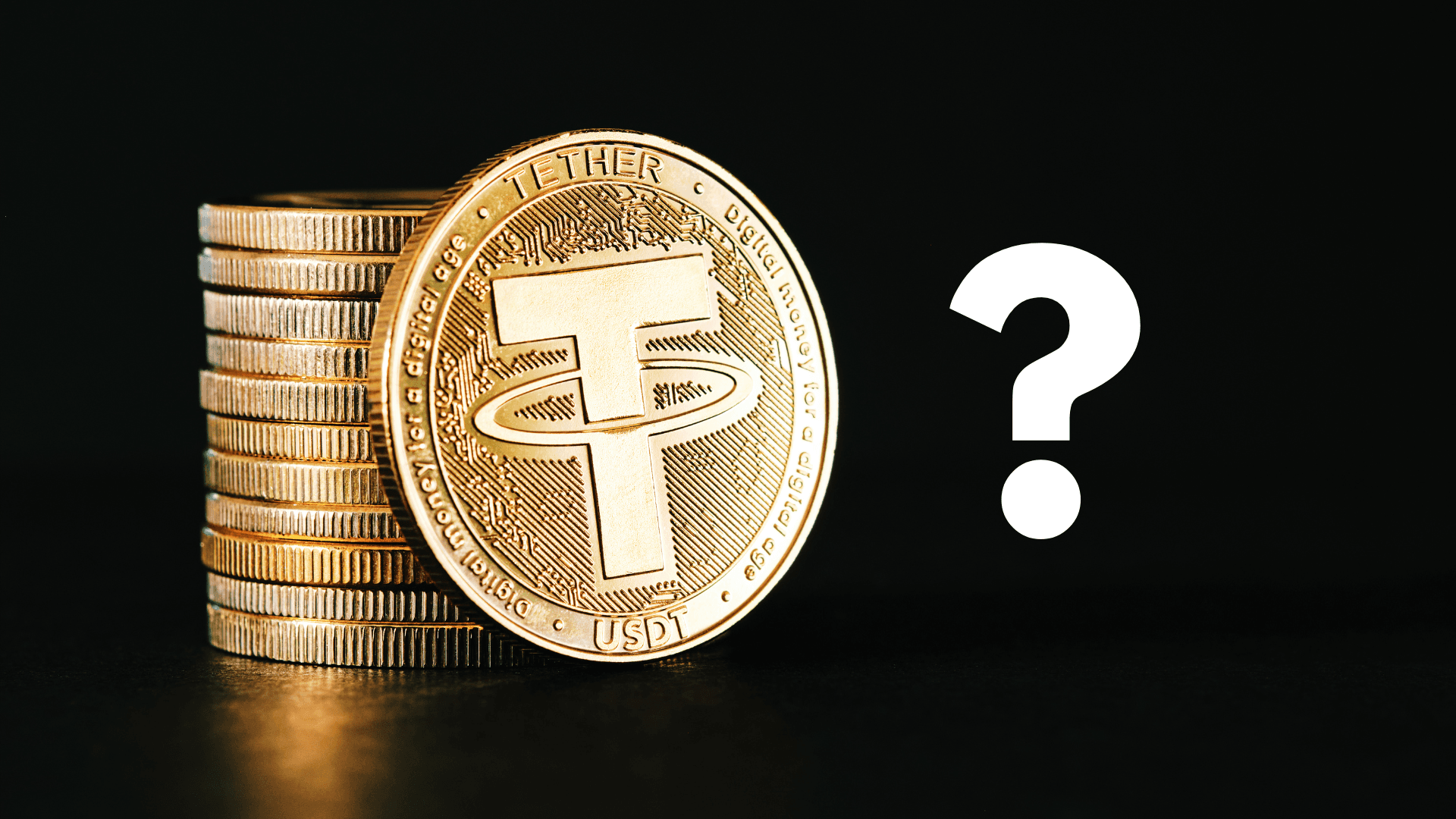
When people think of cryptocurrency, they usually think of Bitcoin, Ethereum or other altcoins. Yet the most widely used digital asset in the world today is not a volatile coin chasing headlines, but something far more understated: Tether, also known as USDT. It belongs to a category of digital currencies called stablecoins - tokens designed to keep a steady value, most often linked to traditional money like the US dollar.
The idea is simple. While Bitcoin can rise or fall by ten percent in a single day, Tether aims to always be worth one US dollar (1:1). For anyone trading or using crypto, this stability provides a sense of relief. Imagine you’re moving money between exchanges or paying someone abroad. If you rely on Bitcoin, you may lose - or gain - significant value in just a few hours. With Tether, that risk is minimized. One USDT is meant to equal one dollar, no matter what the market does.
What Actually Backs Tether?
Tether’s promise of stability rests on a simple claim: every USDT in circulation is backed by assets of equal value held in reserve. In practice, this means that if there are 100 billion USDT tokens circulating in the world, Tether Limited Inc. should have about 100 billion dollars’ worth of assets to cover them. The crucial question is what kind of assets those are.
For many years, Tether stated that its reserves were held in cash or cash equivalents. But under regulatory pressure, the company began releasing more detailed breakdowns. Today, Tether reports that the majority of its reserves are invested in U.S. Treasury bills - short-term government debt widely considered one of the safest assets in the world. Alongside Treasuries, Tether also holds bank deposits, reverse repo agreements, precious metals, and even a small portion of Bitcoin.
This matters because not all reserve assets are created equal. A dollar bill in a bank account is instantly redeemable; a three-month U.S. Treasury bill is also extremely safe but takes a little longer to liquidate. By contrast, riskier assets like commercial paper - short-term corporate debt once used in Tether’s reserves - caused alarm among regulators and investors because their value could swing during financial stress. In 2021, for instance, the New York Attorney General investigated Tether for misrepresenting its backing and found gaps between the tokens issued and the cash actually on hand. Since then, Tether has shifted heavily toward Treasuries to reassure the market.
Why does this distinction matter in practice? Imagine if millions of USDT holders suddenly wanted to redeem their tokens for real dollars at the same time. If Tether’s reserves are mostly U.S. Treasuries and cash, the company could probably meet those redemptions without too much disruption. But if a significant portion were tied up in riskier or less liquid investments, the redemption process might slow down or create panic - similar to what happens in a bank run.
The credibility of Tether’s reserves also affects the broader financial system. With more than 100 billion USDT in circulation, Tether is now one of the largest holders of U.S. Treasury bills globally, rivaling the foreign reserves of some nation-states. In fact, by mid-2024, analysts estimated that Tether alone held more U.S. debt than countries such as Australia or the United Arab Emirates. This makes Tether not only a player in crypto markets, but also an unexpected actor in global finance.
Yet despite these assurances, skeptics remain vocal. Critics argue that Tether’s disclosures, while more detailed than before, still fall short of the kind of independent, fully audited reports one would expect from a system this large. For regulators, the question is not just whether the reserves exist, but also whether they are managed in a way that avoids risks to the broader economy.
Why Tether Matters
For traders, Tether is indispensable. It allows quick, low-cost transfers between exchanges without relying on traditional banks. For ordinary people in countries like Argentina, Turkey, or Nigeria - where inflation erodes savings and local currencies lose value - USDT functions as a lifeline, offering a dollar alternative without opening a U.S. bank account.
But its importance goes beyond individuals and traders. With its massive holdings of U.S. government debt, Tether has become an influential actor in global finance. Regulators in Washington, Brussels, and beyond now see stablecoins not only as digital tools for trading, but as potential sources of systemic risk. The debate over Tether’s role - innovation or threat, opportunity or loophole - captures the tension at the heart of digital finance. We will probably delve into some of these topics in later posts.
The Bigger Picture
Whether admired as an innovation or scrutinized as a risk, Tether has become impossible to ignore. It is, in many ways, the first global digital dollar - not issued by a government, but by a company. Its success has inspired competitors like USD Coin, raised alarms among regulators, and sparked discussions on how the future of money should be governed.
For better or worse, Tether has shown the world that money no longer has to come from a central bank to be trusted and used at scale. That reality is reshaping not only crypto markets, but also the very structure of global finance.
" height="70.33433857594105px" id="cEZUCEt55" transform="translate(0.633 4.344)" width="63.55361004207933px"/><path d="M 59.91 54.243 C 62.845 61.429 64.566 66.387 67.804 69.929 L 67.804 70.334 L 51.005 70.334 L 51.005 69.929 C 53.028 66.488 51.915 61.024 49.385 54.648 L 47.261 49.284 L 17.913 49.284 L 15.786 54.851 C 13.257 61.428 12.346 66.488 14.471 69.929 L 14.471 70.334 L 0 70.334 L 0 69.929 C 3.643 66.488 5.364 61.428 7.893 54.749 L 29.348 0 L 38.051 0 Z M 20.644 42.302 L 44.528 42.302 L 32.586 12.346 L 32.181 12.346 Z" fill="rgb(192, 192, 192)" height="70.33433857594105px" id="SdFiWY9tb" transform="translate(64.775 4.344)" width="67.80429367088598px"/><path d="M 25.704 0 C 48.576 0 63.554 14.168 63.554 35.117 C 63.553 56.166 48.576 70.334 25.704 70.334 L 0 70.334 L 0 69.929 C 2.935 66.387 3.238 61.732 3.238 54.243 L 3.238 15.686 C 3.238 7.893 2.327 3.946 0 0.404 L 0 0 Z M 13.155 63.554 L 23.478 63.554 C 40.986 63.554 52.623 54.142 52.623 35.117 C 52.623 16.091 40.986 6.781 23.478 6.781 L 13.155 6.781 Z" fill="rgb(192, 192, 192)" height="70.33433857594105px" id="dF6gOZXSG" transform="translate(139.83 4.344)" width="63.55361012658213px"/><path d="M 45.54 11.841 L 45.035 11.841 C 42.909 8.299 38.355 6.982 29.551 6.982 L 13.156 6.982 L 13.156 32.283 L 26.718 32.283 C 34.711 32.283 38.861 31.17 40.682 28.539 L 41.189 28.539 L 41.189 42.807 L 40.682 42.807 C 38.861 40.278 34.711 39.164 26.718 39.164 L 13.156 39.164 L 13.156 55.255 C 13.156 62.643 13.764 66.488 16.8 69.929 L 16.8 70.334 L 0 70.334 L 0 69.929 C 2.632 66.488 3.239 62.643 3.239 55.255 L 3.239 14.977 C 3.239 7.691 2.632 3.845 0 0.404 L 0 0 L 45.54 0 Z" fill="rgb(192, 192, 192)" height="70.33433858227876px" id="Alh4b__fs" transform="translate(214.837 4.344)" width="45.540318987341664px"/></svg>)