menu

Digital Asset Development Foundation

Digital Asset Development Foundation

Formed by industry leaders, we unite the top voices in cryptocurrency to advocate for sensible, clear, and fair regulations.

Formed by industry leaders, we unite the top voices in cryptocurrency to advocate for sensible, clear, and fair regulations.

GET INVOLVED

Honoring the Past, Shaping the Future

All

EVENTS

ARTICLE

VIDEO

KNOWLADGE

Event

Dec 1, 2025

The Potential of MiCA Regulation for the Crypto Industry in Europe

The implementation of the Markets in Crypto-Assets (MiCA) regulation marks a pivotal moment for the European crypto industry. As the first comprehensive framework governing digital assets across the European Union, MiCA aims to provide regulatory clarity, enhance investor protection, and establish Europe as a leader in the global crypto market. However, while the regulation lays the foundation for a more structured industry, its full impact will only be realized in the coming years as businesses, policymakers, and stakeholders navigate the evolving regulatory landscape.

Opportunities for Industry Collaboration

With MiCA in place, industry participants, including foundations, think tanks, and advocacy groups, have a unique opportunity to collaborate with regulators. By engaging in dialogue with policymakers, crypto industry leaders can help shape the implementation of MiCA, ensuring that the framework remains flexible and conducive to innovation. Establishing industry best practices, regulatory sandboxes, and feedback mechanisms can facilitate a smoother transition into the new regulatory era.

Supporting Compliance and Adoption

One of the key challenges post-MiCA will be ensuring that businesses, particularly startups and small-scale projects, understand and comply with the new regulations. Foundations and industry groups can play a crucial role in providing guidance, educational resources, and compliance support. Workshops, white papers, and advisory services will be essential in helping companies adapt to the new framework without stifling innovation.

Moreover, fostering responsible adoption through pilot programs and partnerships with traditional financial institutions can accelerate mainstream integration of crypto assets while ensuring regulatory compliance.

Encouraging Responsible Innovation

MiCA is designed to regulate without stifling innovation, but emerging sectors like decentralized finance (DeFi) and non-fungible tokens (NFTs) remain largely outside its scope. This presents an opportunity for industry bodies to advocate for proportionate, risk-based approaches to future regulations.

By working alongside regulators, the industry can help establish policies that promote responsible innovation while preventing excessive restrictions that could hinder growth. This includes creating voluntary self-regulatory initiatives that set ethical and security standards for new crypto technologies.

Shaping the Future of Stablecoin and Tokenized Asset Regulations

MiCA introduces specific requirements for stablecoins and asset-referenced tokens, ensuring they are backed by adequate reserves and meet transparency standards. However, as the industry evolves, additional refinements will likely be necessary. Foundations and advocacy groups can contribute by conducting research, gathering data on stablecoin adoption, and engaging with central banks to explore potential collaborations between crypto and traditional finance.

Similarly, as tokenization of real-world assets gains momentum, ensuring that regulatory frameworks support this transition without unnecessary barriers will be a key focus area for industry participants.

Driving Global Regulatory Convergence

The EU’s MiCA framework is likely to influence other jurisdictions seeking to establish crypto regulations. By actively engaging in global discussions, European stakeholders can help drive regulatory convergence and promote international cooperation.

Advocacy groups and crypto organizations can participate in cross-border regulatory discussions, contribute to global policy frameworks, and work towards harmonized standards that facilitate international business operations and cross-border transactions.

Conclusion: Preparing for the Next Phase of Crypto Regulation

While MiCA provides a crucial regulatory foundation, the journey is far from over. As its implementation progresses, new challenges and opportunities will emerge, requiring ongoing engagement from industry participants, regulators, and advocacy groups.

Foundations and think tanks have a unique role to play in shaping the next phase of crypto regulation—ensuring that Europe remains a leader in innovation while fostering responsible adoption. By collaborating with policymakers, supporting compliance efforts, and advocating for balanced regulations, the crypto industry can help define the future of digital assets in Europe and beyond.

Knowledge

Mar 17, 2025

Handshake

Best Practices

The financial landscape is witnessing a historic convergence between traditional finance (TradFi) and decentralized finance (DeFi), a trend that is poised to redefine the future of global markets. As institutional interest in cryptocurrencies, particularly Bitcoin, continues to grow, this convergence is not only inevitable but beneficial for both realms. At Binance, we believe this integration will create a virtuous cycle, driving innovation, accessibility, and stability across financial markets.

Nearly all institutions (94%) believe in the long-term value of digital assets and/or blockchain technology, with 50% of respondents expressing interest in investing in tokenized assets, and 42% having increased their allocations to digital assets in 2024. This shift underscores the growing confidence in digital assets as a viable and valuable component of institutional portfolios.

Institutional Interest: A Catalyst for Convergence

Historically, the cryptocurrency space has been dominated by retail investors. However, recent developments, including regulatory approvals for Bitcoin ETFs, have sparked significant interest from institutional investors. This is a transformative shift as it demonstrates that support for crypto has grown into the institutional space. Institutional capital brings not only substantial financial inflows but also the credibility and infrastructure required for broader market acceptance. For instance, the introduction of Bitcoin ETFs in the US has unlocked new investment opportunities, legitimizing cryptocurrencies as an asset class and catalyzing further institutional participation.

Building the Future Together

Bitcoin is the first “ground-up” asset class built by the community for the community, which is why we see such strong grassroots enthusiasm each time the crypto industry makes significant strides, such as the DeFi Summer of 2020, NFTs over the last few years, the introduction of Bitcoin Ordinals, and most recently the approval of spot ETFs around the world. The synergy between TradFi and DeFi is evident. On one hand, the energy, innovation, and customer-centric approach of the crypto industry continue to drive significant advancements. On the other, traditional financial institutions bring decades of experience, regulatory knowledge, and robust infrastructure to the table. This mutual exchange is fostering a new financial ecosystem where the boundaries between DeFi and TradFi are increasingly blurred.

A recent example of this is the strategic investment by National Australia Bank (NAB) venture arm in Zodia Custody, a global digital asset custodian backed by banks. Such collaborations signify a turning point where institutions and infrastructure providers are jointly building the mainstream future of digital assets. This partnership highlights how institutional and decentralized finance can work together to enhance the reliability and security of crypto investments.

The Virtuous Cycle

Crypto needs more infrastructure development to be more accessible, in order to really gain widespread mass adoption. So we are seeing how crypto continues to build upwards momentum to reach institutions, while TradFi is building out institutional-grade crypto infrastructure to serve enterprise and retail customers. Institutional interest drives the development of better infrastructure, which in turn makes crypto more accessible and attractive to a broader audience. As the crypto market matures, it offers more sophisticated and secure options for investment, further attracting traditional finance players. This bilateral exchange between DeFi and TradFi will become a virtuous cycle, until there is no difference between the two for users.

The Road Ahead

With the energy, innovation, and relentless focus on the customer that the crypto industry embodies - and that has seen it grow from zero penetration to 10% in 2019, and now 15% of the EU population in 2025, showing a remarkable 50% increase in the last 6 years - there is much for the traditional finance sector to gain from embracing its digital asset counterpart. And equally, with the deep experience, heft, and clout of the traditional finance sector, the benefits flow both ways. This is why both industries are seeing talent move in both directions as crypto matures, traditional finance evolves, and both start to converge.

For the convergence of DeFi and TradFi to reach its full potential, ongoing collaboration and mutual understanding are essential. Regulatory clarity is playing a crucial role in facilitating this integration - with comprehensive regulatory frameworks like MiCA - ensuring that both retail and institutional investors alike, as well as crypto industry players can participate in the market with confidence. At Binance, we are committed to driving this convergence by developing innovative products, fostering partnerships, and advocating for sensible regulation. The integration of DeFi and TradFi can not only enhance the stability and accessibility of crypto markets, but also democratize access to investment opportunities. As we move forward, the continued collaboration between these two worlds can help to create a more inclusive and robust financial ecosystem, benefiting all participants.

Article

Mar 5, 2025

EU Flag

MiCA and the Future of Crypto Regulation in Europe

The implementation of the Markets in Crypto-Assets (MiCA) regulation marks a pivotal moment for the European crypto industry. As the first comprehensive framework governing digital assets across the European Union, MiCA aims to provide regulatory clarity, enhance investor protection, and establish Europe as a leader in the global crypto market. However, while the regulation lays the foundation for a more structured industry, its full impact will only be realized in the coming years as businesses, policymakers, and stakeholders navigate the evolving regulatory landscape.

Opportunities for Industry Collaboration

With MiCA in place, industry participants, including foundations, think tanks, and advocacy groups, have a unique opportunity to collaborate with regulators. By engaging in dialogue with policymakers, crypto industry leaders can help shape the implementation of MiCA, ensuring that the framework remains flexible and conducive to innovation. Establishing industry best practices, regulatory sandboxes, and feedback mechanisms can facilitate a smoother transition into the new regulatory era.

Supporting Compliance and Adoption

One of the key challenges post-MiCA will be ensuring that businesses, particularly startups and small-scale projects, understand and comply with the new regulations. Foundations and industry groups can play a crucial role in providing guidance, educational resources, and compliance support. Workshops, white papers, and advisory services will be essential in helping companies adapt to the new framework without stifling innovation.

Moreover, fostering responsible adoption through pilot programs and partnerships with traditional financial institutions can accelerate mainstream integration of crypto assets while ensuring regulatory compliance.

Encouraging Responsible Innovation

MiCA is designed to regulate without stifling innovation, but emerging sectors like decentralized finance (DeFi) and non-fungible tokens (NFTs) remain largely outside its scope. This presents an opportunity for industry bodies to advocate for proportionate, risk-based approaches to future regulations.

By working alongside regulators, the industry can help establish policies that promote responsible innovation while preventing excessive restrictions that could hinder growth. This includes creating voluntary self-regulatory initiatives that set ethical and security standards for new crypto technologies.

Shaping the Future of Stablecoin and Tokenized Asset Regulations

MiCA introduces specific requirements for stablecoins and asset-referenced tokens, ensuring they are backed by adequate reserves and meet transparency standards. However, as the industry evolves, additional refinements will likely be necessary. Foundations and advocacy groups can contribute by conducting research, gathering data on stablecoin adoption, and engaging with central banks to explore potential collaborations between crypto and traditional finance.

Similarly, as tokenization of real-world assets gains momentum, ensuring that regulatory frameworks support this transition without unnecessary barriers will be a key focus area for industry participants.

Driving Global Regulatory Convergence

The EU’s MiCA framework is likely to influence other jurisdictions seeking to establish crypto regulations. By actively engaging in global discussions, European stakeholders can help drive regulatory convergence and promote international cooperation.

Advocacy groups and crypto organizations can participate in cross-border regulatory discussions, contribute to global policy frameworks, and work towards harmonized standards that facilitate international business operations and cross-border transactions.

Conclusion: Preparing for the Next Phase of Crypto Regulation

While MiCA provides a crucial regulatory foundation, the journey is far from over. As its implementation progresses, new challenges and opportunities will emerge, requiring ongoing engagement from industry participants, regulators, and advocacy groups.

Foundations and think tanks have a unique role to play in shaping the next phase of crypto regulation—ensuring that Europe remains a leader in innovation while fostering responsible adoption. By collaborating with policymakers, supporting compliance efforts, and advocating for balanced regulations, the crypto industry can help define the future of digital assets in Europe and beyond.

Event

Feb 20, 2025

What regulations are needed in the crypto industry?

The European Union is taking a bold step forward in regulating the cryptocurrency industry with the introduction of the Markets in Crypto-Assets (MiCA) regulation. As one of the most comprehensive regulatory frameworks for digital assets globally, MiCA presents a significant opportunity for businesses, investors, and consumers across Europe. Rather than stifling innovation, MiCA has the potential to provide much-needed clarity, security, and legitimacy to the crypto space, fostering sustainable growth and mainstream adoption.

Regulatory Clarity and Legal Certainty

One of the most notable advantages of MiCA is the regulatory clarity it brings to the European crypto market. Previously, the lack of unified regulations created a fragmented landscape where businesses struggled to navigate different national laws. MiCA establishes a single, comprehensive framework across all EU member states, reducing regulatory ambiguity and making compliance more straightforward for businesses operating in multiple jurisdictions.

For crypto firms, this means clear rules on licensing, anti-money laundering (AML) compliance, and investor protection. Instead of dealing with a patchwork of national regulations, companies can operate under a unified system, reducing legal risks and compliance costs.

Increased Investor Confidence and Protection

With regulatory clarity comes enhanced investor confidence. MiCA introduces investor protection measures that make the crypto industry more secure and trustworthy. By implementing transparency requirements for crypto-asset service providers (CASPs), including disclosure obligations and reserve requirements for stablecoin issuers, the regulation reduces the risk of fraud and insolvency.

Retail investors will benefit from improved consumer protections, ensuring that crypto businesses operate with a high level of accountability. This, in turn, is expected to attract more institutional investors who previously hesitated to enter the space due to the absence of a well-defined regulatory environment.

A Competitive Edge for European Crypto Businesses

By establishing a clear regulatory framework, MiCA positions Europe as a leader in crypto regulation. Compared to other jurisdictions that are still grappling with unclear or inconsistent regulations, the EU’s proactive approach provides businesses with a stable and predictable environment to innovate and expand.

For startups and enterprises looking to launch or scale crypto-related businesses, Europe is set to become an attractive destination. The streamlined licensing process will encourage new entrants to the market, driving healthy competition and fostering innovation within the ecosystem.

Stablecoin Regulation: A Path to Greater Adoption

Stablecoins play a crucial role in bridging the gap between traditional finance and crypto. MiCA introduces a robust framework for stablecoins, ensuring they are backed by adequate reserves and meet operational transparency requirements. This reduces the risk of collapses similar to previous algorithmic stablecoin failures and enhances trust in digital payments.

With increased regulatory oversight, stablecoins could see greater adoption for payments and cross-border transactions, benefiting both consumers and businesses seeking efficient and low-cost financial solutions.

Fostering Innovation Through Responsible Regulation

While some fear that regulation might hinder innovation, MiCA is designed to strike a balance between security and technological advancement. The framework does not impose overly restrictive measures on emerging sectors like decentralized finance (DeFi) and non-fungible tokens (NFTs), instead focusing on ensuring responsible growth.

By setting up clear guidelines without stifling creativity, MiCA encourages responsible innovation. Regulatory compliance will no longer be a barrier but rather an enabler of sustainable business models that can thrive in a compliant and secure environment.

Global Implications: Setting the Standard for Crypto Regulation

The EU’s MiCA framework is expected to set a precedent for other regions worldwide. Countries looking to establish their own crypto regulations may take inspiration from MiCA’s approach, leading to more harmonized global standards. This could facilitate international cooperation, making cross-border transactions and regulatory compliance smoother for businesses operating on a global scale.

Conclusion: A Bright Future for Crypto in Europe

The MiCA regulation marks a new era for the European crypto industry, offering much-needed clarity, security, and legitimacy. By reducing regulatory fragmentation, enhancing investor protection, and fostering a competitive market, MiCA provides a strong foundation for innovation and mainstream adoption.

Rather than being seen as a hurdle, MiCA should be embraced as an opportunity for the crypto industry to mature and gain the trust of consumers and institutions alike. As the framework rolls out, Europe has the potential to become a global leader in responsible crypto innovation, setting an example for the rest of the world.


Honoring the Past, Shaping the Future

All

EVENTS

ARTICLE

VIDEO

KNOWLADGE
Event

Dec 1, 2025

The Potential of MiCA Regulation for the Crypto Industry in Europe

The implementation of the Markets in Crypto-Assets (MiCA) regulation marks a pivotal moment for the European crypto industry. As the first comprehensive framework governing digital assets across the European Union, MiCA aims to provide regulatory clarity, enhance investor protection, and establish Europe as a leader in the global crypto market. However, while the regulation lays the foundation for a more structured industry, its full impact will only be realized in the coming years as businesses, policymakers, and stakeholders navigate the evolving regulatory landscape.

Opportunities for Industry Collaboration

With MiCA in place, industry participants, including foundations, think tanks, and advocacy groups, have a unique opportunity to collaborate with regulators. By engaging in dialogue with policymakers, crypto industry leaders can help shape the implementation of MiCA, ensuring that the framework remains flexible and conducive to innovation. Establishing industry best practices, regulatory sandboxes, and feedback mechanisms can facilitate a smoother transition into the new regulatory era.

Supporting Compliance and Adoption

One of the key challenges post-MiCA will be ensuring that businesses, particularly startups and small-scale projects, understand and comply with the new regulations. Foundations and industry groups can play a crucial role in providing guidance, educational resources, and compliance support. Workshops, white papers, and advisory services will be essential in helping companies adapt to the new framework without stifling innovation.

Moreover, fostering responsible adoption through pilot programs and partnerships with traditional financial institutions can accelerate mainstream integration of crypto assets while ensuring regulatory compliance.

Encouraging Responsible Innovation

MiCA is designed to regulate without stifling innovation, but emerging sectors like decentralized finance (DeFi) and non-fungible tokens (NFTs) remain largely outside its scope. This presents an opportunity for industry bodies to advocate for proportionate, risk-based approaches to future regulations.

By working alongside regulators, the industry can help establish policies that promote responsible innovation while preventing excessive restrictions that could hinder growth. This includes creating voluntary self-regulatory initiatives that set ethical and security standards for new crypto technologies.

Shaping the Future of Stablecoin and Tokenized Asset Regulations

MiCA introduces specific requirements for stablecoins and asset-referenced tokens, ensuring they are backed by adequate reserves and meet transparency standards. However, as the industry evolves, additional refinements will likely be necessary. Foundations and advocacy groups can contribute by conducting research, gathering data on stablecoin adoption, and engaging with central banks to explore potential collaborations between crypto and traditional finance.

Similarly, as tokenization of real-world assets gains momentum, ensuring that regulatory frameworks support this transition without unnecessary barriers will be a key focus area for industry participants.

Driving Global Regulatory Convergence

The EU’s MiCA framework is likely to influence other jurisdictions seeking to establish crypto regulations. By actively engaging in global discussions, European stakeholders can help drive regulatory convergence and promote international cooperation.

Advocacy groups and crypto organizations can participate in cross-border regulatory discussions, contribute to global policy frameworks, and work towards harmonized standards that facilitate international business operations and cross-border transactions.

Conclusion: Preparing for the Next Phase of Crypto Regulation

While MiCA provides a crucial regulatory foundation, the journey is far from over. As its implementation progresses, new challenges and opportunities will emerge, requiring ongoing engagement from industry participants, regulators, and advocacy groups.

Foundations and think tanks have a unique role to play in shaping the next phase of crypto regulation—ensuring that Europe remains a leader in innovation while fostering responsible adoption. By collaborating with policymakers, supporting compliance efforts, and advocating for balanced regulations, the crypto industry can help define the future of digital assets in Europe and beyond.

Knowledge

Mar 17, 2025

Handshake

Best Practices

The financial landscape is witnessing a historic convergence between traditional finance (TradFi) and decentralized finance (DeFi), a trend that is poised to redefine the future of global markets. As institutional interest in cryptocurrencies, particularly Bitcoin, continues to grow, this convergence is not only inevitable but beneficial for both realms. At Binance, we believe this integration will create a virtuous cycle, driving innovation, accessibility, and stability across financial markets.

Nearly all institutions (94%) believe in the long-term value of digital assets and/or blockchain technology, with 50% of respondents expressing interest in investing in tokenized assets, and 42% having increased their allocations to digital assets in 2024. This shift underscores the growing confidence in digital assets as a viable and valuable component of institutional portfolios.

Institutional Interest: A Catalyst for Convergence

Historically, the cryptocurrency space has been dominated by retail investors. However, recent developments, including regulatory approvals for Bitcoin ETFs, have sparked significant interest from institutional investors. This is a transformative shift as it demonstrates that support for crypto has grown into the institutional space. Institutional capital brings not only substantial financial inflows but also the credibility and infrastructure required for broader market acceptance. For instance, the introduction of Bitcoin ETFs in the US has unlocked new investment opportunities, legitimizing cryptocurrencies as an asset class and catalyzing further institutional participation.

Building the Future Together

Bitcoin is the first “ground-up” asset class built by the community for the community, which is why we see such strong grassroots enthusiasm each time the crypto industry makes significant strides, such as the DeFi Summer of 2020, NFTs over the last few years, the introduction of Bitcoin Ordinals, and most recently the approval of spot ETFs around the world. The synergy between TradFi and DeFi is evident. On one hand, the energy, innovation, and customer-centric approach of the crypto industry continue to drive significant advancements. On the other, traditional financial institutions bring decades of experience, regulatory knowledge, and robust infrastructure to the table. This mutual exchange is fostering a new financial ecosystem where the boundaries between DeFi and TradFi are increasingly blurred.

A recent example of this is the strategic investment by National Australia Bank (NAB) venture arm in Zodia Custody, a global digital asset custodian backed by banks. Such collaborations signify a turning point where institutions and infrastructure providers are jointly building the mainstream future of digital assets. This partnership highlights how institutional and decentralized finance can work together to enhance the reliability and security of crypto investments.

The Virtuous Cycle

Crypto needs more infrastructure development to be more accessible, in order to really gain widespread mass adoption. So we are seeing how crypto continues to build upwards momentum to reach institutions, while TradFi is building out institutional-grade crypto infrastructure to serve enterprise and retail customers. Institutional interest drives the development of better infrastructure, which in turn makes crypto more accessible and attractive to a broader audience. As the crypto market matures, it offers more sophisticated and secure options for investment, further attracting traditional finance players. This bilateral exchange between DeFi and TradFi will become a virtuous cycle, until there is no difference between the two for users.

The Road Ahead

With the energy, innovation, and relentless focus on the customer that the crypto industry embodies - and that has seen it grow from zero penetration to 10% in 2019, and now 15% of the EU population in 2025, showing a remarkable 50% increase in the last 6 years - there is much for the traditional finance sector to gain from embracing its digital asset counterpart. And equally, with the deep experience, heft, and clout of the traditional finance sector, the benefits flow both ways. This is why both industries are seeing talent move in both directions as crypto matures, traditional finance evolves, and both start to converge.

For the convergence of DeFi and TradFi to reach its full potential, ongoing collaboration and mutual understanding are essential. Regulatory clarity is playing a crucial role in facilitating this integration - with comprehensive regulatory frameworks like MiCA - ensuring that both retail and institutional investors alike, as well as crypto industry players can participate in the market with confidence. At Binance, we are committed to driving this convergence by developing innovative products, fostering partnerships, and advocating for sensible regulation. The integration of DeFi and TradFi can not only enhance the stability and accessibility of crypto markets, but also democratize access to investment opportunities. As we move forward, the continued collaboration between these two worlds can help to create a more inclusive and robust financial ecosystem, benefiting all participants.

Article

Mar 5, 2025

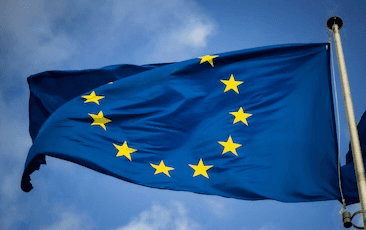
EU Flag

MiCA and the Future of Crypto Regulation in Europe

The implementation of the Markets in Crypto-Assets (MiCA) regulation marks a pivotal moment for the European crypto industry. As the first comprehensive framework governing digital assets across the European Union, MiCA aims to provide regulatory clarity, enhance investor protection, and establish Europe as a leader in the global crypto market. However, while the regulation lays the foundation for a more structured industry, its full impact will only be realized in the coming years as businesses, policymakers, and stakeholders navigate the evolving regulatory landscape.

Opportunities for Industry Collaboration

With MiCA in place, industry participants, including foundations, think tanks, and advocacy groups, have a unique opportunity to collaborate with regulators. By engaging in dialogue with policymakers, crypto industry leaders can help shape the implementation of MiCA, ensuring that the framework remains flexible and conducive to innovation. Establishing industry best practices, regulatory sandboxes, and feedback mechanisms can facilitate a smoother transition into the new regulatory era.

Supporting Compliance and Adoption

One of the key challenges post-MiCA will be ensuring that businesses, particularly startups and small-scale projects, understand and comply with the new regulations. Foundations and industry groups can play a crucial role in providing guidance, educational resources, and compliance support. Workshops, white papers, and advisory services will be essential in helping companies adapt to the new framework without stifling innovation.

Moreover, fostering responsible adoption through pilot programs and partnerships with traditional financial institutions can accelerate mainstream integration of crypto assets while ensuring regulatory compliance.

Encouraging Responsible Innovation

MiCA is designed to regulate without stifling innovation, but emerging sectors like decentralized finance (DeFi) and non-fungible tokens (NFTs) remain largely outside its scope. This presents an opportunity for industry bodies to advocate for proportionate, risk-based approaches to future regulations.

By working alongside regulators, the industry can help establish policies that promote responsible innovation while preventing excessive restrictions that could hinder growth. This includes creating voluntary self-regulatory initiatives that set ethical and security standards for new crypto technologies.

Shaping the Future of Stablecoin and Tokenized Asset Regulations

MiCA introduces specific requirements for stablecoins and asset-referenced tokens, ensuring they are backed by adequate reserves and meet transparency standards. However, as the industry evolves, additional refinements will likely be necessary. Foundations and advocacy groups can contribute by conducting research, gathering data on stablecoin adoption, and engaging with central banks to explore potential collaborations between crypto and traditional finance.

Similarly, as tokenization of real-world assets gains momentum, ensuring that regulatory frameworks support this transition without unnecessary barriers will be a key focus area for industry participants.

Driving Global Regulatory Convergence

The EU’s MiCA framework is likely to influence other jurisdictions seeking to establish crypto regulations. By actively engaging in global discussions, European stakeholders can help drive regulatory convergence and promote international cooperation.

Advocacy groups and crypto organizations can participate in cross-border regulatory discussions, contribute to global policy frameworks, and work towards harmonized standards that facilitate international business operations and cross-border transactions.

Conclusion: Preparing for the Next Phase of Crypto Regulation

While MiCA provides a crucial regulatory foundation, the journey is far from over. As its implementation progresses, new challenges and opportunities will emerge, requiring ongoing engagement from industry participants, regulators, and advocacy groups.

Foundations and think tanks have a unique role to play in shaping the next phase of crypto regulation—ensuring that Europe remains a leader in innovation while fostering responsible adoption. By collaborating with policymakers, supporting compliance efforts, and advocating for balanced regulations, the crypto industry can help define the future of digital assets in Europe and beyond.

Event

Feb 20, 2025

What regulations are needed in the crypto industry?

The European Union is taking a bold step forward in regulating the cryptocurrency industry with the introduction of the Markets in Crypto-Assets (MiCA) regulation. As one of the most comprehensive regulatory frameworks for digital assets globally, MiCA presents a significant opportunity for businesses, investors, and consumers across Europe. Rather than stifling innovation, MiCA has the potential to provide much-needed clarity, security, and legitimacy to the crypto space, fostering sustainable growth and mainstream adoption.

Regulatory Clarity and Legal Certainty

One of the most notable advantages of MiCA is the regulatory clarity it brings to the European crypto market. Previously, the lack of unified regulations created a fragmented landscape where businesses struggled to navigate different national laws. MiCA establishes a single, comprehensive framework across all EU member states, reducing regulatory ambiguity and making compliance more straightforward for businesses operating in multiple jurisdictions.

For crypto firms, this means clear rules on licensing, anti-money laundering (AML) compliance, and investor protection. Instead of dealing with a patchwork of national regulations, companies can operate under a unified system, reducing legal risks and compliance costs.

Increased Investor Confidence and Protection

With regulatory clarity comes enhanced investor confidence. MiCA introduces investor protection measures that make the crypto industry more secure and trustworthy. By implementing transparency requirements for crypto-asset service providers (CASPs), including disclosure obligations and reserve requirements for stablecoin issuers, the regulation reduces the risk of fraud and insolvency.

Retail investors will benefit from improved consumer protections, ensuring that crypto businesses operate with a high level of accountability. This, in turn, is expected to attract more institutional investors who previously hesitated to enter the space due to the absence of a well-defined regulatory environment.

A Competitive Edge for European Crypto Businesses

By establishing a clear regulatory framework, MiCA positions Europe as a leader in crypto regulation. Compared to other jurisdictions that are still grappling with unclear or inconsistent regulations, the EU’s proactive approach provides businesses with a stable and predictable environment to innovate and expand.

For startups and enterprises looking to launch or scale crypto-related businesses, Europe is set to become an attractive destination. The streamlined licensing process will encourage new entrants to the market, driving healthy competition and fostering innovation within the ecosystem.

Stablecoin Regulation: A Path to Greater Adoption

Stablecoins play a crucial role in bridging the gap between traditional finance and crypto. MiCA introduces a robust framework for stablecoins, ensuring they are backed by adequate reserves and meet operational transparency requirements. This reduces the risk of collapses similar to previous algorithmic stablecoin failures and enhances trust in digital payments.

With increased regulatory oversight, stablecoins could see greater adoption for payments and cross-border transactions, benefiting both consumers and businesses seeking efficient and low-cost financial solutions.

Fostering Innovation Through Responsible Regulation

While some fear that regulation might hinder innovation, MiCA is designed to strike a balance between security and technological advancement. The framework does not impose overly restrictive measures on emerging sectors like decentralized finance (DeFi) and non-fungible tokens (NFTs), instead focusing on ensuring responsible growth.

By setting up clear guidelines without stifling creativity, MiCA encourages responsible innovation. Regulatory compliance will no longer be a barrier but rather an enabler of sustainable business models that can thrive in a compliant and secure environment.

Global Implications: Setting the Standard for Crypto Regulation

The EU’s MiCA framework is expected to set a precedent for other regions worldwide. Countries looking to establish their own crypto regulations may take inspiration from MiCA’s approach, leading to more harmonized global standards. This could facilitate international cooperation, making cross-border transactions and regulatory compliance smoother for businesses operating on a global scale.

Conclusion: A Bright Future for Crypto in Europe

The MiCA regulation marks a new era for the European crypto industry, offering much-needed clarity, security, and legitimacy. By reducing regulatory fragmentation, enhancing investor protection, and fostering a competitive market, MiCA provides a strong foundation for innovation and mainstream adoption.

Rather than being seen as a hurdle, MiCA should be embraced as an opportunity for the crypto industry to mature and gain the trust of consumers and institutions alike. As the framework rolls out, Europe has the potential to become a global leader in responsible crypto innovation, setting an example for the rest of the world.


Honoring the Past, Shaping the Future

All

EVENTS

ARTICLE

VIDEO

KNOWLADGE

Event

Dec 1, 2025

The Potential of MiCA Regulation for the Crypto Industry in Europe

The implementation of the Markets in Crypto-Assets (MiCA) regulation marks a pivotal moment for the European crypto industry. As the first comprehensive framework governing digital assets across the European Union, MiCA aims to provide regulatory clarity, enhance investor protection, and establish Europe as a leader in the global crypto market. However, while the regulation lays the foundation for a more structured industry, its full impact will only be realized in the coming years as businesses, policymakers, and stakeholders navigate the evolving regulatory landscape.

Opportunities for Industry Collaboration

With MiCA in place, industry participants, including foundations, think tanks, and advocacy groups, have a unique opportunity to collaborate with regulators. By engaging in dialogue with policymakers, crypto industry leaders can help shape the implementation of MiCA, ensuring that the framework remains flexible and conducive to innovation. Establishing industry best practices, regulatory sandboxes, and feedback mechanisms can facilitate a smoother transition into the new regulatory era.

Supporting Compliance and Adoption

One of the key challenges post-MiCA will be ensuring that businesses, particularly startups and small-scale projects, understand and comply with the new regulations. Foundations and industry groups can play a crucial role in providing guidance, educational resources, and compliance support. Workshops, white papers, and advisory services will be essential in helping companies adapt to the new framework without stifling innovation.

Moreover, fostering responsible adoption through pilot programs and partnerships with traditional financial institutions can accelerate mainstream integration of crypto assets while ensuring regulatory compliance.

Encouraging Responsible Innovation

MiCA is designed to regulate without stifling innovation, but emerging sectors like decentralized finance (DeFi) and non-fungible tokens (NFTs) remain largely outside its scope. This presents an opportunity for industry bodies to advocate for proportionate, risk-based approaches to future regulations.

By working alongside regulators, the industry can help establish policies that promote responsible innovation while preventing excessive restrictions that could hinder growth. This includes creating voluntary self-regulatory initiatives that set ethical and security standards for new crypto technologies.

Shaping the Future of Stablecoin and Tokenized Asset Regulations

MiCA introduces specific requirements for stablecoins and asset-referenced tokens, ensuring they are backed by adequate reserves and meet transparency standards. However, as the industry evolves, additional refinements will likely be necessary. Foundations and advocacy groups can contribute by conducting research, gathering data on stablecoin adoption, and engaging with central banks to explore potential collaborations between crypto and traditional finance.

Similarly, as tokenization of real-world assets gains momentum, ensuring that regulatory frameworks support this transition without unnecessary barriers will be a key focus area for industry participants.

Driving Global Regulatory Convergence

The EU’s MiCA framework is likely to influence other jurisdictions seeking to establish crypto regulations. By actively engaging in global discussions, European stakeholders can help drive regulatory convergence and promote international cooperation.

Advocacy groups and crypto organizations can participate in cross-border regulatory discussions, contribute to global policy frameworks, and work towards harmonized standards that facilitate international business operations and cross-border transactions.

Conclusion: Preparing for the Next Phase of Crypto Regulation

While MiCA provides a crucial regulatory foundation, the journey is far from over. As its implementation progresses, new challenges and opportunities will emerge, requiring ongoing engagement from industry participants, regulators, and advocacy groups.

Foundations and think tanks have a unique role to play in shaping the next phase of crypto regulation—ensuring that Europe remains a leader in innovation while fostering responsible adoption. By collaborating with policymakers, supporting compliance efforts, and advocating for balanced regulations, the crypto industry can help define the future of digital assets in Europe and beyond.

Knowledge

Mar 17, 2025

Handshake

Best Practices

The financial landscape is witnessing a historic convergence between traditional finance (TradFi) and decentralized finance (DeFi), a trend that is poised to redefine the future of global markets. As institutional interest in cryptocurrencies, particularly Bitcoin, continues to grow, this convergence is not only inevitable but beneficial for both realms. At Binance, we believe this integration will create a virtuous cycle, driving innovation, accessibility, and stability across financial markets.

Nearly all institutions (94%) believe in the long-term value of digital assets and/or blockchain technology, with 50% of respondents expressing interest in investing in tokenized assets, and 42% having increased their allocations to digital assets in 2024. This shift underscores the growing confidence in digital assets as a viable and valuable component of institutional portfolios.

Institutional Interest: A Catalyst for Convergence

Historically, the cryptocurrency space has been dominated by retail investors. However, recent developments, including regulatory approvals for Bitcoin ETFs, have sparked significant interest from institutional investors. This is a transformative shift as it demonstrates that support for crypto has grown into the institutional space. Institutional capital brings not only substantial financial inflows but also the credibility and infrastructure required for broader market acceptance. For instance, the introduction of Bitcoin ETFs in the US has unlocked new investment opportunities, legitimizing cryptocurrencies as an asset class and catalyzing further institutional participation.

Building the Future Together

Bitcoin is the first “ground-up” asset class built by the community for the community, which is why we see such strong grassroots enthusiasm each time the crypto industry makes significant strides, such as the DeFi Summer of 2020, NFTs over the last few years, the introduction of Bitcoin Ordinals, and most recently the approval of spot ETFs around the world. The synergy between TradFi and DeFi is evident. On one hand, the energy, innovation, and customer-centric approach of the crypto industry continue to drive significant advancements. On the other, traditional financial institutions bring decades of experience, regulatory knowledge, and robust infrastructure to the table. This mutual exchange is fostering a new financial ecosystem where the boundaries between DeFi and TradFi are increasingly blurred.

A recent example of this is the strategic investment by National Australia Bank (NAB) venture arm in Zodia Custody, a global digital asset custodian backed by banks. Such collaborations signify a turning point where institutions and infrastructure providers are jointly building the mainstream future of digital assets. This partnership highlights how institutional and decentralized finance can work together to enhance the reliability and security of crypto investments.

The Virtuous Cycle

Crypto needs more infrastructure development to be more accessible, in order to really gain widespread mass adoption. So we are seeing how crypto continues to build upwards momentum to reach institutions, while TradFi is building out institutional-grade crypto infrastructure to serve enterprise and retail customers. Institutional interest drives the development of better infrastructure, which in turn makes crypto more accessible and attractive to a broader audience. As the crypto market matures, it offers more sophisticated and secure options for investment, further attracting traditional finance players. This bilateral exchange between DeFi and TradFi will become a virtuous cycle, until there is no difference between the two for users.

The Road Ahead

With the energy, innovation, and relentless focus on the customer that the crypto industry embodies - and that has seen it grow from zero penetration to 10% in 2019, and now 15% of the EU population in 2025, showing a remarkable 50% increase in the last 6 years - there is much for the traditional finance sector to gain from embracing its digital asset counterpart. And equally, with the deep experience, heft, and clout of the traditional finance sector, the benefits flow both ways. This is why both industries are seeing talent move in both directions as crypto matures, traditional finance evolves, and both start to converge.

For the convergence of DeFi and TradFi to reach its full potential, ongoing collaboration and mutual understanding are essential. Regulatory clarity is playing a crucial role in facilitating this integration - with comprehensive regulatory frameworks like MiCA - ensuring that both retail and institutional investors alike, as well as crypto industry players can participate in the market with confidence. At Binance, we are committed to driving this convergence by developing innovative products, fostering partnerships, and advocating for sensible regulation. The integration of DeFi and TradFi can not only enhance the stability and accessibility of crypto markets, but also democratize access to investment opportunities. As we move forward, the continued collaboration between these two worlds can help to create a more inclusive and robust financial ecosystem, benefiting all participants.

Article

Mar 5, 2025

EU Flag

MiCA and the Future of Crypto Regulation in Europe

The implementation of the Markets in Crypto-Assets (MiCA) regulation marks a pivotal moment for the European crypto industry. As the first comprehensive framework governing digital assets across the European Union, MiCA aims to provide regulatory clarity, enhance investor protection, and establish Europe as a leader in the global crypto market. However, while the regulation lays the foundation for a more structured industry, its full impact will only be realized in the coming years as businesses, policymakers, and stakeholders navigate the evolving regulatory landscape.

Opportunities for Industry Collaboration

With MiCA in place, industry participants, including foundations, think tanks, and advocacy groups, have a unique opportunity to collaborate with regulators. By engaging in dialogue with policymakers, crypto industry leaders can help shape the implementation of MiCA, ensuring that the framework remains flexible and conducive to innovation. Establishing industry best practices, regulatory sandboxes, and feedback mechanisms can facilitate a smoother transition into the new regulatory era.

Supporting Compliance and Adoption

One of the key challenges post-MiCA will be ensuring that businesses, particularly startups and small-scale projects, understand and comply with the new regulations. Foundations and industry groups can play a crucial role in providing guidance, educational resources, and compliance support. Workshops, white papers, and advisory services will be essential in helping companies adapt to the new framework without stifling innovation.

Moreover, fostering responsible adoption through pilot programs and partnerships with traditional financial institutions can accelerate mainstream integration of crypto assets while ensuring regulatory compliance.

Encouraging Responsible Innovation

MiCA is designed to regulate without stifling innovation, but emerging sectors like decentralized finance (DeFi) and non-fungible tokens (NFTs) remain largely outside its scope. This presents an opportunity for industry bodies to advocate for proportionate, risk-based approaches to future regulations.

By working alongside regulators, the industry can help establish policies that promote responsible innovation while preventing excessive restrictions that could hinder growth. This includes creating voluntary self-regulatory initiatives that set ethical and security standards for new crypto technologies.

Shaping the Future of Stablecoin and Tokenized Asset Regulations

MiCA introduces specific requirements for stablecoins and asset-referenced tokens, ensuring they are backed by adequate reserves and meet transparency standards. However, as the industry evolves, additional refinements will likely be necessary. Foundations and advocacy groups can contribute by conducting research, gathering data on stablecoin adoption, and engaging with central banks to explore potential collaborations between crypto and traditional finance.

Similarly, as tokenization of real-world assets gains momentum, ensuring that regulatory frameworks support this transition without unnecessary barriers will be a key focus area for industry participants.

Driving Global Regulatory Convergence

The EU’s MiCA framework is likely to influence other jurisdictions seeking to establish crypto regulations. By actively engaging in global discussions, European stakeholders can help drive regulatory convergence and promote international cooperation.

Advocacy groups and crypto organizations can participate in cross-border regulatory discussions, contribute to global policy frameworks, and work towards harmonized standards that facilitate international business operations and cross-border transactions.

Conclusion: Preparing for the Next Phase of Crypto Regulation

While MiCA provides a crucial regulatory foundation, the journey is far from over. As its implementation progresses, new challenges and opportunities will emerge, requiring ongoing engagement from industry participants, regulators, and advocacy groups.

Foundations and think tanks have a unique role to play in shaping the next phase of crypto regulation—ensuring that Europe remains a leader in innovation while fostering responsible adoption. By collaborating with policymakers, supporting compliance efforts, and advocating for balanced regulations, the crypto industry can help define the future of digital assets in Europe and beyond.

Event

Feb 20, 2025

What regulations are needed in the crypto industry?

The European Union is taking a bold step forward in regulating the cryptocurrency industry with the introduction of the Markets in Crypto-Assets (MiCA) regulation. As one of the most comprehensive regulatory frameworks for digital assets globally, MiCA presents a significant opportunity for businesses, investors, and consumers across Europe. Rather than stifling innovation, MiCA has the potential to provide much-needed clarity, security, and legitimacy to the crypto space, fostering sustainable growth and mainstream adoption.

Regulatory Clarity and Legal Certainty

One of the most notable advantages of MiCA is the regulatory clarity it brings to the European crypto market. Previously, the lack of unified regulations created a fragmented landscape where businesses struggled to navigate different national laws. MiCA establishes a single, comprehensive framework across all EU member states, reducing regulatory ambiguity and making compliance more straightforward for businesses operating in multiple jurisdictions.

For crypto firms, this means clear rules on licensing, anti-money laundering (AML) compliance, and investor protection. Instead of dealing with a patchwork of national regulations, companies can operate under a unified system, reducing legal risks and compliance costs.

Increased Investor Confidence and Protection

With regulatory clarity comes enhanced investor confidence. MiCA introduces investor protection measures that make the crypto industry more secure and trustworthy. By implementing transparency requirements for crypto-asset service providers (CASPs), including disclosure obligations and reserve requirements for stablecoin issuers, the regulation reduces the risk of fraud and insolvency.

Retail investors will benefit from improved consumer protections, ensuring that crypto businesses operate with a high level of accountability. This, in turn, is expected to attract more institutional investors who previously hesitated to enter the space due to the absence of a well-defined regulatory environment.

A Competitive Edge for European Crypto Businesses

By establishing a clear regulatory framework, MiCA positions Europe as a leader in crypto regulation. Compared to other jurisdictions that are still grappling with unclear or inconsistent regulations, the EU’s proactive approach provides businesses with a stable and predictable environment to innovate and expand.

For startups and enterprises looking to launch or scale crypto-related businesses, Europe is set to become an attractive destination. The streamlined licensing process will encourage new entrants to the market, driving healthy competition and fostering innovation within the ecosystem.

Stablecoin Regulation: A Path to Greater Adoption

Stablecoins play a crucial role in bridging the gap between traditional finance and crypto. MiCA introduces a robust framework for stablecoins, ensuring they are backed by adequate reserves and meet operational transparency requirements. This reduces the risk of collapses similar to previous algorithmic stablecoin failures and enhances trust in digital payments.

With increased regulatory oversight, stablecoins could see greater adoption for payments and cross-border transactions, benefiting both consumers and businesses seeking efficient and low-cost financial solutions.

Fostering Innovation Through Responsible Regulation

While some fear that regulation might hinder innovation, MiCA is designed to strike a balance between security and technological advancement. The framework does not impose overly restrictive measures on emerging sectors like decentralized finance (DeFi) and non-fungible tokens (NFTs), instead focusing on ensuring responsible growth.

By setting up clear guidelines without stifling creativity, MiCA encourages responsible innovation. Regulatory compliance will no longer be a barrier but rather an enabler of sustainable business models that can thrive in a compliant and secure environment.

Global Implications: Setting the Standard for Crypto Regulation

The EU’s MiCA framework is expected to set a precedent for other regions worldwide. Countries looking to establish their own crypto regulations may take inspiration from MiCA’s approach, leading to more harmonized global standards. This could facilitate international cooperation, making cross-border transactions and regulatory compliance smoother for businesses operating on a global scale.

Conclusion: A Bright Future for Crypto in Europe

The MiCA regulation marks a new era for the European crypto industry, offering much-needed clarity, security, and legitimacy. By reducing regulatory fragmentation, enhancing investor protection, and fostering a competitive market, MiCA provides a strong foundation for innovation and mainstream adoption.

Rather than being seen as a hurdle, MiCA should be embraced as an opportunity for the crypto industry to mature and gain the trust of consumers and institutions alike. As the framework rolls out, Europe has the potential to become a global leader in responsible crypto innovation, setting an example for the rest of the world.


Our mission is to engage directly with regulators globally, ensuring the voice of the market shapes the laws of tomorrow.

Our mission

Shaping the Future of Crypto Regulation Together

DADF's mission is to foster a transparent, compliant, and innovative crypto ecosystem by actively participating in regulatory dialogues, advocating for policies that support growth and security in the digital asset space.

The Need for Standards

DADF's mission is to foster a transparent, compliant, and innovative crypto ecosystem by actively participating in regulatory dialogues, advocating for policies that support growth and security in the digital asset space.

Education and Community

Your voice matters, whether you're a project, an investor, or an enthusiast, your voice matters. DADF welcomes partnerships, ideas, and participation from all corners of the crypto industry. Together, we can educate and influence the regulatory bodies to reflect the needs of digital space.

Cooperation with regulators

Together with crypto industry leading companies, DADF stands as a testament to the industry's commitment to self-regulation and constructive engagement. We believe that through collective action, we can forge a regulatory environment that protects investors while promoting technological advancement.

The Need for Standards

DADF's mission is to foster a transparent, compliant, and innovative crypto ecosystem by actively participating in regulatory dialogues, advocating for policies that support growth and security in the digital asset space.

Education and Community

Your voice matters, whether you're a project, an investor, or an enthusiast, your voice matters. DADF welcomes partnerships, ideas, and participation from all corners of the crypto industry. Together, we can educate and influence the regulatory bodies to reflect the needs of digital space.

Cooperation with regulators

Together with crypto industry leading companies, DADF stands as a testament to the industry's commitment to self-regulation and constructive engagement. We believe that through collective action, we can forge a regulatory environment that protects investors while promoting technological advancement.

The Need for Standards

DADF's mission is to foster a transparent, compliant, and innovative crypto ecosystem by actively participating in regulatory dialogues, advocating for policies that support growth and security in the digital asset space.

Education and Community

Your voice matters, whether you're a project, an investor, or an enthusiast, your voice matters. DADF welcomes partnerships, ideas, and participation from all corners of the crypto industry. Together, we can educate and influence the regulatory bodies to reflect the needs of digital space.

Cooperation with regulators

Together with crypto industry leading companies, DADF stands as a testament to the industry's commitment to self-regulation and constructive engagement. We believe that through collective action, we can forge a regulatory environment that protects investors while promoting technological advancement.

The Need for Standards

DADF's mission is to foster a transparent, compliant, and innovative crypto ecosystem by actively participating in regulatory dialogues, advocating for policies that support growth and security in the digital asset space.

Education and Community

Your voice matters, whether you're a project, an investor, or an enthusiast, your voice matters. DADF welcomes partnerships, ideas, and participation from all corners of the crypto industry. Together, we can educate and influence the regulatory bodies to reflect the needs of digital space.

Cooperation with regulators

Together with crypto industry leading companies, DADF stands as a testament to the industry's commitment to self-regulation and constructive engagement. We believe that through collective action, we can forge a regulatory environment that protects investors while promoting technological advancement.

Our goals

Education and awareness

Education and awareness about blockchain, NFT, tokenization and digital currencies Professionals and the general public.

Confidence

Protection

Preventing

Reporting

Stability

Consistency

Market Integrit

and Stability

Without standards, the digital assets

market can be prone to manipulation,

scams and sudden collapses, as evidenced

by past high-profile cases.


Regulations help maintain market integrity

by setting rules for trading practices,

market surveillance, and capital requirements

for businesses operating in this space,

fostering a more stable environment.

Confidence

Protection

Preventing

Reporting

Stability

Consistency

Market Integrit

and Stability

Without standards, the digital assets

market can be prone to manipulation,

scams and sudden collapses, as evidenced

by past high-profile cases.


Regulations help maintain market integrity

by setting rules for trading practices,

market surveillance, and capital requirements

for businesses operating in this space,

fostering a more stable environment.

Confidence

Protection

Preventing

Reporting

Stability

Consistency

Market Integrit

and Stability

Without standards, the digital assets

market can be prone to manipulation,

scams and sudden collapses, as evidenced

by past high-profile cases.


Regulations help maintain market integrity

by setting rules for trading practices,

market surveillance, and capital requirements

for businesses operating in this space,

fostering a more stable environment.

Partners

Foundation Board Members

Lukasz Pierwienis

Binance Poland
‍Country Manager

Pawel Laskarzewski

Nomad Fulcrum
‍Chief Executive Officer

Our Key Partners

Logo

Logo

Logo

FAQ

Questions & Answers

Why are regulations important in finance?

Regulations in finance are important because they protect investors, maintain market stability, prevent fraud, and ensure fair and transparent practices, fostering trust and efficiency in the financial system.

Why are regulations important in finance?

Regulations in finance are important because they protect investors, maintain market stability, prevent fraud, and ensure fair and transparent practices, fostering trust and efficiency in the financial system.

Why are regulations important in finance?

Regulations in finance are important because they protect investors, maintain market stability, prevent fraud, and ensure fair and transparent practices, fostering trust and efficiency in the financial system.

Why regulations will benefit the crypto industry?

Regulations in finance are important because they protect investors, maintain market stability, prevent fraud, and ensure fair and transparent practices, fostering trust and efficiency in the financial system.

Why regulations will benefit the crypto industry?

Regulations in finance are important because they protect investors, maintain market stability, prevent fraud, and ensure fair and transparent practices, fostering trust and efficiency in the financial system.

Why regulations will benefit the crypto industry?

Regulations in finance are important because they protect investors, maintain market stability, prevent fraud, and ensure fair and transparent practices, fostering trust and efficiency in the financial system.

Why we advocate regulations?

Regulations in finance are important because they protect investors, maintain market stability, prevent fraud, and ensure fair and transparent practices, fostering trust and efficiency in the financial system.

Why we advocate regulations?

Regulations in finance are important because they protect investors, maintain market stability, prevent fraud, and ensure fair and transparent practices, fostering trust and efficiency in the financial system.

Why we advocate regulations?

Regulations in finance are important because they protect investors, maintain market stability, prevent fraud, and ensure fair and transparent practices, fostering trust and efficiency in the financial system.

What are digital assets?

Regulations in finance are important because they protect investors, maintain market stability, prevent fraud, and ensure fair and transparent practices, fostering trust and efficiency in the financial system.

What are digital assets?

Regulations in finance are important because they protect investors, maintain market stability, prevent fraud, and ensure fair and transparent practices, fostering trust and efficiency in the financial system.

What are digital assets?

Regulations in finance are important because they protect investors, maintain market stability, prevent fraud, and ensure fair and transparent practices, fostering trust and efficiency in the financial system.

How does the DADF support innovation?

Regulations in finance are important because they protect investors, maintain market stability, prevent fraud, and ensure fair and transparent practices, fostering trust and efficiency in the financial system.

How does the DADF support innovation?

Regulations in finance are important because they protect investors, maintain market stability, prevent fraud, and ensure fair and transparent practices, fostering trust and efficiency in the financial system.

How does the DADF support innovation?

Regulations in finance are important because they protect investors, maintain market stability, prevent fraud, and ensure fair and transparent practices, fostering trust and efficiency in the financial system.

Why regulations will benefit the crypto industry?

Regulations in finance are important because they protect investors, maintain market stability, prevent fraud, and ensure fair and transparent practices, fostering trust and efficiency in the financial system.

Why regulations will benefit the crypto industry?

Regulations in finance are important because they protect investors, maintain market stability, prevent fraud, and ensure fair and transparent practices, fostering trust and efficiency in the financial system.

Why regulations will benefit the crypto industry?

Regulations in finance are important because they protect investors, maintain market stability, prevent fraud, and ensure fair and transparent practices, fostering trust and efficiency in the financial system.

How does the Foundation collaborate with regulators?

Regulations in finance are important because they protect investors, maintain market stability, prevent fraud, and ensure fair and transparent practices, fostering trust and efficiency in the financial system.

How does the Foundation collaborate with regulators?

Regulations in finance are important because they protect investors, maintain market stability, prevent fraud, and ensure fair and transparent practices, fostering trust and efficiency in the financial system.

How does the Foundation collaborate with regulators?

Regulations in finance are important because they protect investors, maintain market stability, prevent fraud, and ensure fair and transparent practices, fostering trust and efficiency in the financial system.

Who can join the Digital Assets Foundation community?

Regulations in finance are important because they protect investors, maintain market stability, prevent fraud, and ensure fair and transparent practices, fostering trust and efficiency in the financial system.

Who can join the Digital Assets Foundation community?

Regulations in finance are important because they protect investors, maintain market stability, prevent fraud, and ensure fair and transparent practices, fostering trust and efficiency in the financial system.

Who can join the Digital Assets Foundation community?

Regulations in finance are important because they protect investors, maintain market stability, prevent fraud, and ensure fair and transparent practices, fostering trust and efficiency in the financial system.

How can I stay updated on the Foundation's activities?

Regulations in finance are important because they protect investors, maintain market stability, prevent fraud, and ensure fair and transparent practices, fostering trust and efficiency in the financial system.

How can I stay updated on the Foundation's activities?

Regulations in finance are important because they protect investors, maintain market stability, prevent fraud, and ensure fair and transparent practices, fostering trust and efficiency in the financial system.

How can I stay updated on the Foundation's activities?

Regulations in finance are important because they protect investors, maintain market stability, prevent fraud, and ensure fair and transparent practices, fostering trust and efficiency in the financial system.

How is the Foundation funded?

Regulations in finance are important because they protect investors, maintain market stability, prevent fraud, and ensure fair and transparent practices, fostering trust and efficiency in the financial system.

How is the Foundation funded?

Regulations in finance are important because they protect investors, maintain market stability, prevent fraud, and ensure fair and transparent practices, fostering trust and efficiency in the financial system.

How is the Foundation funded?

Regulations in finance are important because they protect investors, maintain market stability, prevent fraud, and ensure fair and transparent practices, fostering trust and efficiency in the financial system.

Get involved

Donate now, support the change.

To transfer money directly into the Digital Asset Development Foundation account use the account details.

Get in touch

Engage with us. Share your thoughts. Shape the future.

We invite regulators, lawmakers, and the public to engage in a dialogue about the future of crypto regulation. By working together, we can create a regulatory framework that not only safeguards but also empowers the flourishing digital economy.

Contact us

Your gateway to innovation: One form, endless digital possibilities. Reach out and let's shape the future of digital assets together.

Online meeting

Digital Asset
Development Foundation


Piotrkowska 77

90-423 Łódź

Poland

© 2024, DADF Foundation. All Rights Reserved

Privacy policy

Terms of use